
War with the Kurds looms in Syria. Will a US senator’s threat of “crippling sanctions” make Damascus and Ankara back off?


US Senator Lindsey Graham on January 27 described the Syrian Kurds as “under threat from the new Syrian government that is aligned with Turkey”.
The Republican lawmaker said that he plans to this week put forward legislation, named the “Save the Kurds Act”, that will impose “crippling sanctions” on any government or group seen as involved in hostilities against the Kurds.
As fears grow that an ongoing brittle ceasefire between the Syrian Kurds and Syria’s post-Assad government will prove to be nothing but a delay leading up to a conflict over the lands still held by the Kurdish-led Syrian Democratic Forces (SDF) in northeastern Syria, bordering Turkey, Graham warned that abandoning the Kurds would be “a disaster for America’s reputation and national security interests”.
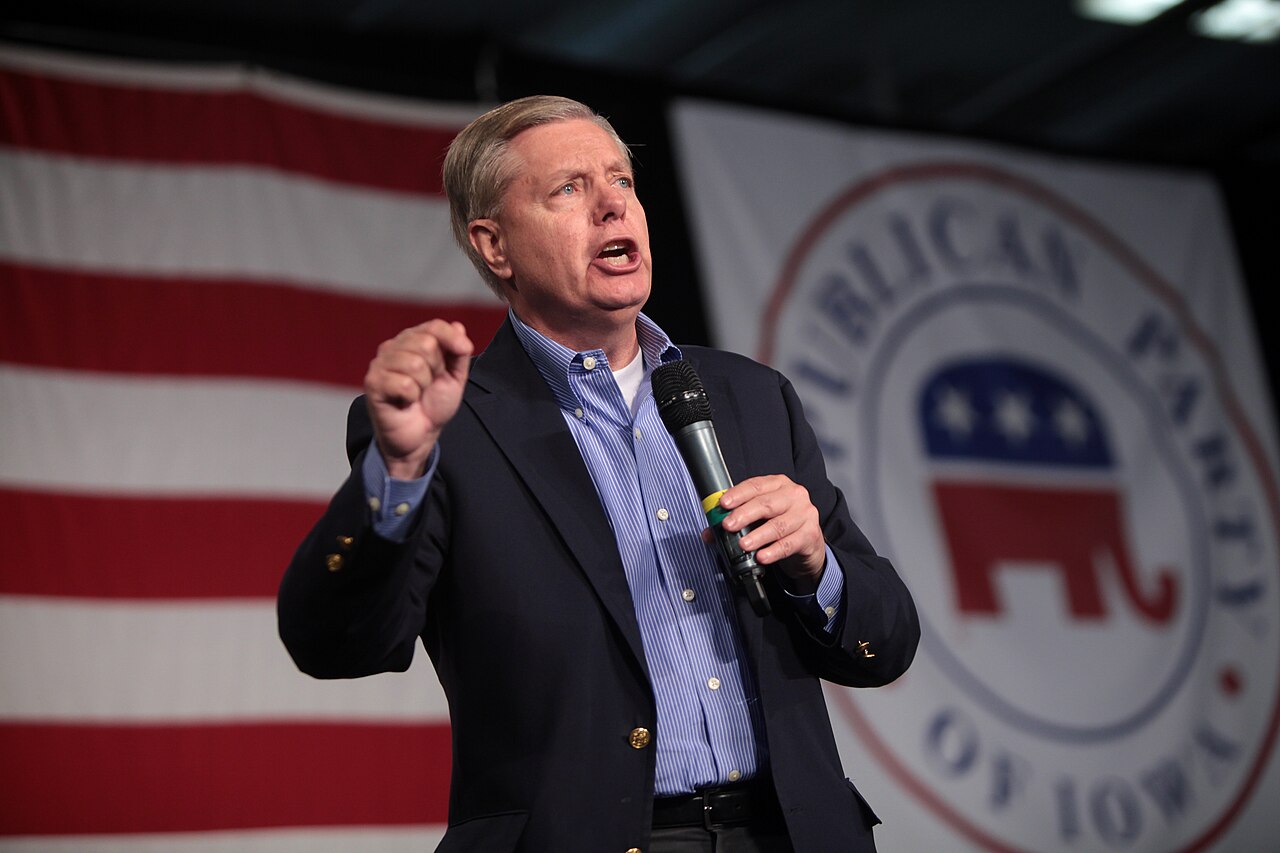
If the US abandons the SDF, it will be “a disaster for America’s reputation and national security interests”, according to Senator Lindsey Graham (Credit: Gage Skidmore, cc-by-sa 3.0).
It was the SDF, reminded Graham, that served as the chief US ally in destroying the Islamic State group’s territorial hold on extensive parts of Syria.
The “Save the Kurds Act” should attract bipartisan support but “must have teeth to make it effective”, the senator added.
With a potential war looming, Syria’s Defence Ministry and the SDF on January 24 extended a ceasefire by 15 days.
The US Trump administration has made it clear that Washington no longer regards the SDF as its key partner in battling remnants of Islamic State in Syria, saying that that role has been handed to Damascus.
The US military is using the pause in fighting to move thousands of Islamic State detainees, previously guarded by the SDF in northeastern Syria, to Iraq. There is anxiety that prison breaks could lead to the spread of many hardened Islamist terrorists across the region. US Central Command said on January 21 it would “help ensure the terrorists remain in secure detention facilities.”
Regional reports indicate that SDF forces have spent time provided by the ceasefire distributing weapons to residents in Kurdish-majority areas willing to take up arms, with calls having gone out for a general mobilisation.
On January 24, a Guardian reporter filing from the city of Deir ez-Zor in eastern Syria, reported: “Many residents in Kurdish-majority areas have armed themselves. Kurdish forces have dug in, having prepared for this fight for years, creating a vast subterranean tunnel network to facilitate guerrilla fighting against a better armed force.”
Turkey, which strongly backs the government in Damascus, regards the SDF, whose military backbone is the People’s Protection Units (YPG), as little different to the Kurdistan Workers’ Party (PKK), which, designated a terrorist organisation by Turkey and its Western allies, fought a four-decade insurgency against Ankara. That ended last year as Turkish and PKK officials agreed talks. Any permanent peace deal that results would require the full surrender of weapons by the PKK, which is based in the Qandil Mountains of northern Iraq.
The danger is that a war between the Damascus administration, headed by former Al-Qaeda jihadist but now Trump-backed Ahmed al-Sharaa, and the SDF could draw in both the PKK and Turkish forces. Groups among the millions of Kurds who live in Iran in proximity to the Turkish and Iraqi borders must also be a consideration.
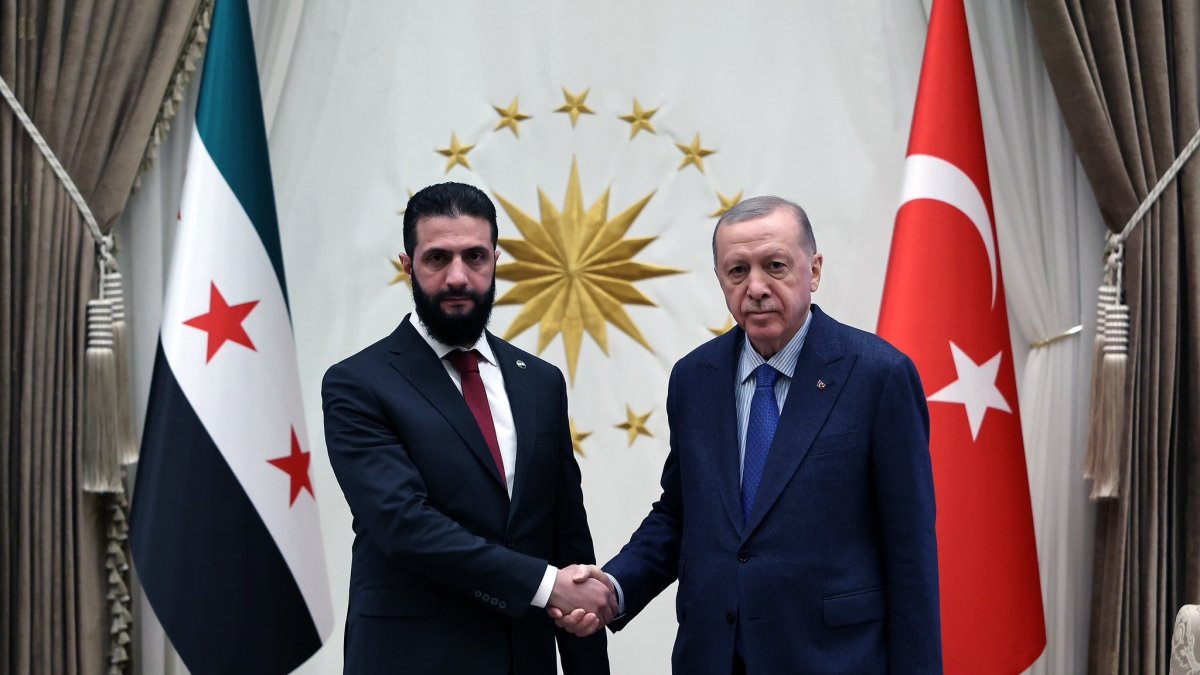
Syria's Turkey and Trump-backed president, Ahmed al-Sharaa, with Turkey's leader Recep Tayyip Erdogan (Credit: Turkish presidency).
Turkish President Recep Tayyip Erdogan said on January 21 that the Kurdish forces in northeastern Syria must disarm and disband. He welcomed the ceasefire but said full disbandment would be required to prevent further fighting.
In 2019, when Turkey made an incursion into Syria to pursue Kurdish forces, Graham announced that he was intending to introduce legislation that would hit Ankara with “devastating” sanctions.
AFP on January 27 reported a spokesman for the political wing of the PKK as saying that recent clashes between Syria’s military and the SDF were a setback for PKK’s peace efforts with Turkey. He contended that the fighting was a “plot and conspiracy” aimed at derailing the talks with the Erdogan administration.
“The developments in Syria and the larger Middle East have a direct effect on the peace process in Turkey,” said Zagros Hiwa, the spokesman.
The SDF has controlled large parts of northeastern Syria for nearly a decade.
On January 21, Turkey rejected as “false” a claim that the Syrian Army's operations are being coordinated from a Damascus government HQ with instructions given in Turkish.
Unlock premium news, Start your free trial today.


