
TEHRAN BLOG: A day of war in Iran


Life in Tehran has changed since the war began. Tehran is a city where services and amenities are concentrated in the centre or in specific commercial and administrative districts, a pattern that in peacetime produces severe overcrowding and heavy traffic throughout the day. But since the start of hostilities, "neighbourhood-centrism" has replaced that dependency on the city centre.
This is the second time this year that Iran has entered a war imposed by the United States and Israel. Tehran, as the capital, has absorbed the heaviest volume of air strikes compared with any other province. Yet Tehranis are behaving differently this time around compared with the 12-day war at the start of summer.
Although the city's main roads, highways and busy thoroughfares are far quieter than before the war, and one can now cross from east to west or north to south in a fraction of the usual time. The situation is markedly different from the 12-day war, when the capital was all but emptied and streets were virtually deserted. This time, despite explosions that echo from every corner of the city at all hours of the day and night, a significant proportion of Tehranis have stayed put. Their decision to remain, however, owes more to compulsion than choice: the economic inability to bear the costs of leaving the city, even a few days' stay somewhere else in the country.
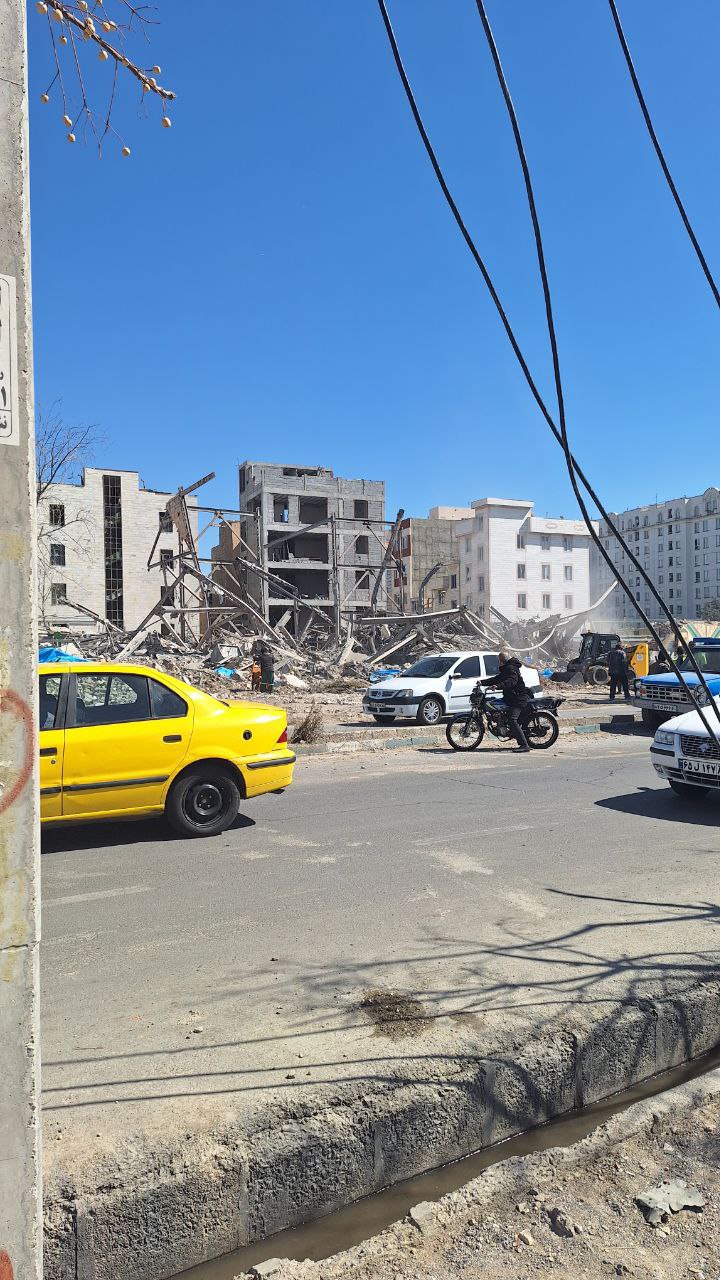
“We have no choice but to stay,” said Bahareh Firouzi, a resident. “Even with explosions around us, we have to carry on with shopping and chores in our neighbourhoods.”
Surveys show that without a second home or villa in another city, even a single night's accommodation carries a prohibitively high cost for most households. Given the sharp inflation and the resulting surge in everyday living expenses, no savings exist for emergencies such as war. A single night's lodging in another province for a family of three costs a minimum of 3mn-5mn toman. Adding transport, food and other expenses, each household would face daily costs of 5mn-7mn toman. With the duration of the war unknown, this situation cannot be sustained for just a few days. Staying in Tehran, therefore, is cheaper than fleeing to another city or province when nobody can predict how long the conflict might last.
“We simply can’t afford to leave,” explained another local Maryam Kazemi. “Even a night away costs more than we have, so we stick to our routines, trying to keep life as normal as possible.”
Beyond the financial calculation, the soaring cost of living has closed another door. During the previous war, households in safer cities, particularly in the northern provinces, opened their homes to people from conflict-hit areas and provided a few days of hospitality. That generosity is no longer affordable, even for a single day.
Several Tehran residents told Donya-e Eqtesad newspaper that the reason they stayed was simple: poverty. "Living costs right now don't even cover ordinary daily expenses," they said. "And there is nowhere to go."
The highways and main roads that, in peacetime, carried bumper-to-bumper traffic, with motorcycles weaving single-file between cars, are now free of congestion. But this quiet is very different from the 12-day war. Where previously almost no vehicles were visible on the streets, this time, car traffic across the city is considerable, as a large population has remained and must move about for essential needs and obligations.
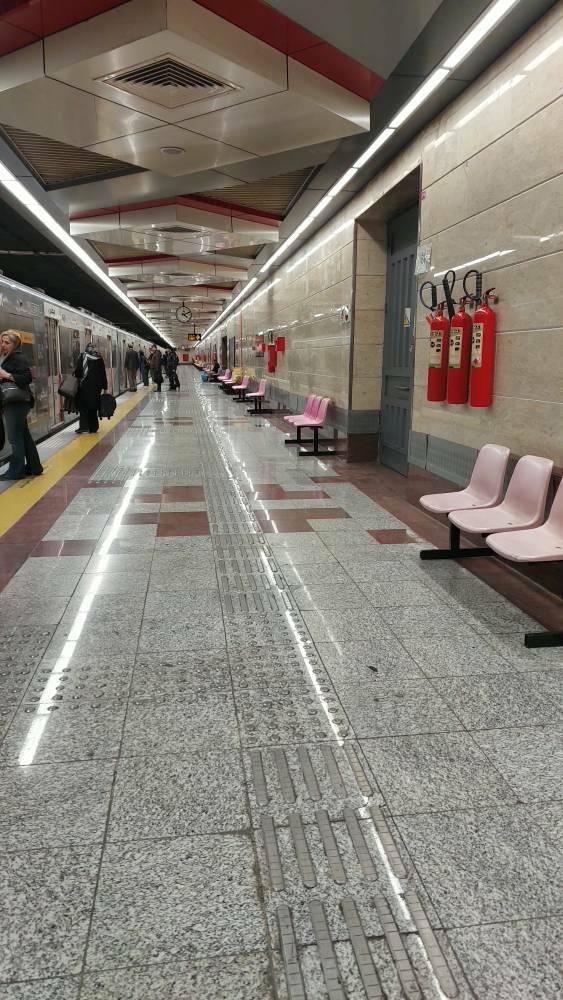
“The roads are empty compared to peacetime,” a taxi driver in downtown Tehran commented, “but people still move around for essential tasks. There’s no panic, just quiet necessity.”
Public transport continues to operate. Metro services and city buses are running, and Tehran municipality has extended metro hours until 2am. Yet buses are mostly seen with empty seats and no passengers, and the same applies to the underground. Metro stations in administrative and commercial zones are nearly deserted. In residential areas, passenger numbers have fallen to their lowest compared with normal days.
“Even with fewer passengers, the metro is our lifeline,” said a commuter. “I take it to reach the bus terminals, hoping to find a ticket and a way out, but most people like me are stuck.”
In the first two days of the war, metro lines terminating at the western, eastern and southern bus terminals carried the most passengers. Large numbers of people hauled suitcases out of stations, heading for intercity terminals in the hope of finding a ticket and a way out of the city. Most were students or individuals whose families in other cities were waiting for them to come home.
An important distinction is that during the 12-day war, the sudden shock and total lack of preparedness led residents to conclude that leaving the city was the best option, triggering Tehran's abrupt evacuation. In the current conflict, people have acted with greater readiness.
Maintaining composure and calm, they have not rushed to flee. Instead, they have limited their travel to city-centre areas and are meeting daily needs within their own neighbourhoods.
“We are keeping busy with chores, small shopping, even preparations for Nowruz,” noted a local resident Mahdieh Rahimi. “There’s no festive air, but life continues, and we have to manage where we are.”
As a result, while administrative and commercial districts are largely shut down and their populations have dwindled to a minimum, residential areas maintain something close to a normal rhythm of life. Local businesses, not just greengrocers and essential-goods shops but other enterprises too, remain more or less active. This shift has produced a neighbourhood-centric pattern, and the familiar overcrowding and traffic in the city's busiest districts has disappeared.
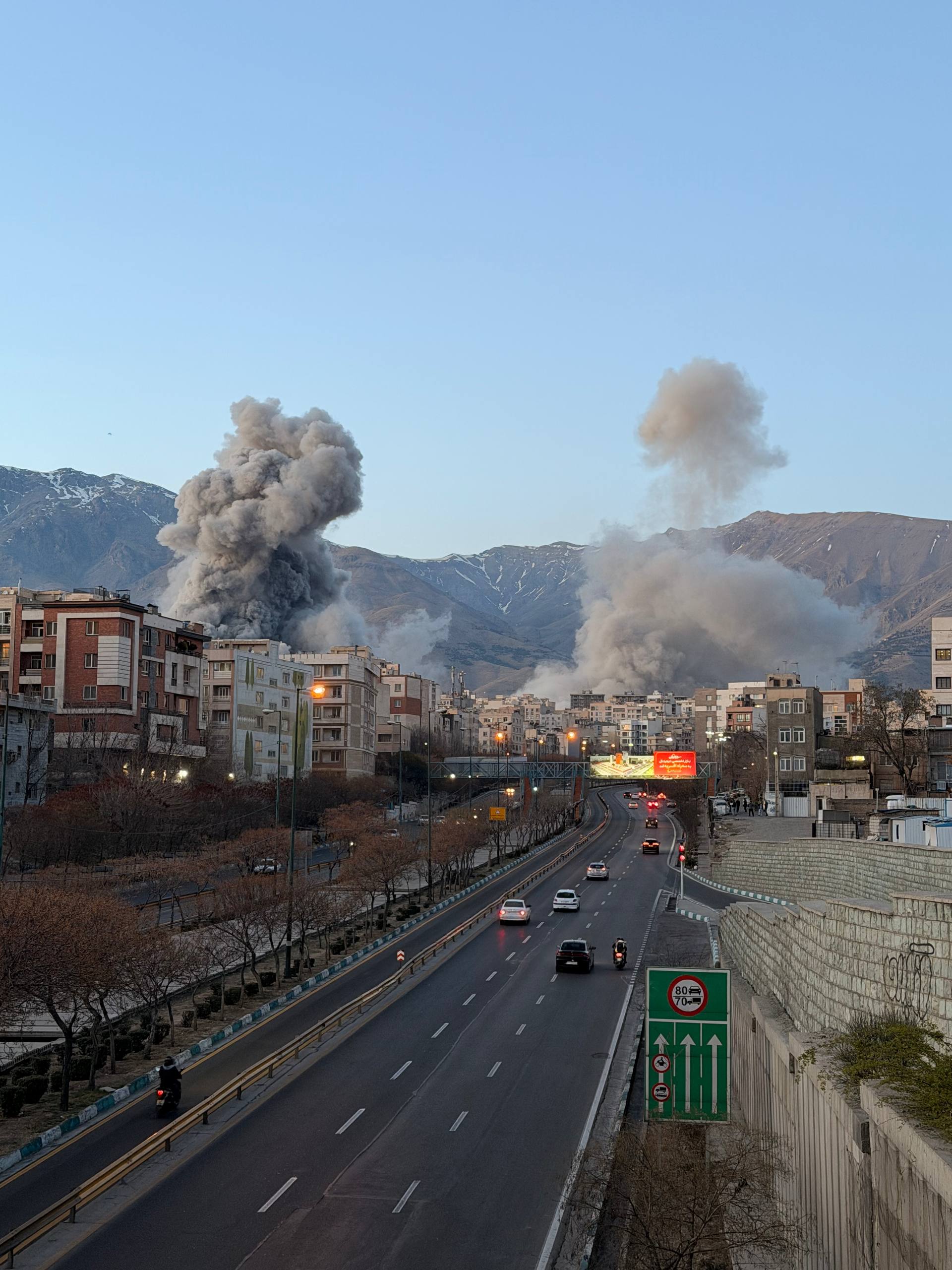
In practice, although many businesses on main roads have closed, life continues in the neighbourhoods and side streets. Most shops and stores remain open to serve local residents. The closures in commercial and administrative centres have hit street vendors and businesses that depended on high-footfall areas hardest. Some of these traders, needing income to survive, have relocated to residential neighbourhoods, setting up alongside greengrocers and other local shops on patches of pavement.
“We have no choice,” said a street vendor in Vanak Square. “Even if the main centres are closed, rents and bills are due. We have to sell here to survive.”
The logic is straightforward: even if every office and commercial centre is shut, bills still fall due on schedule, and landlords still demand rent for shops and homes. One of the reasons people stay in the city is the need to keep going under any circumstances, to make instalment payments, cover rent and simply live. There is no alternative but to carry on with life, even as explosions sound from across the city at every hour.
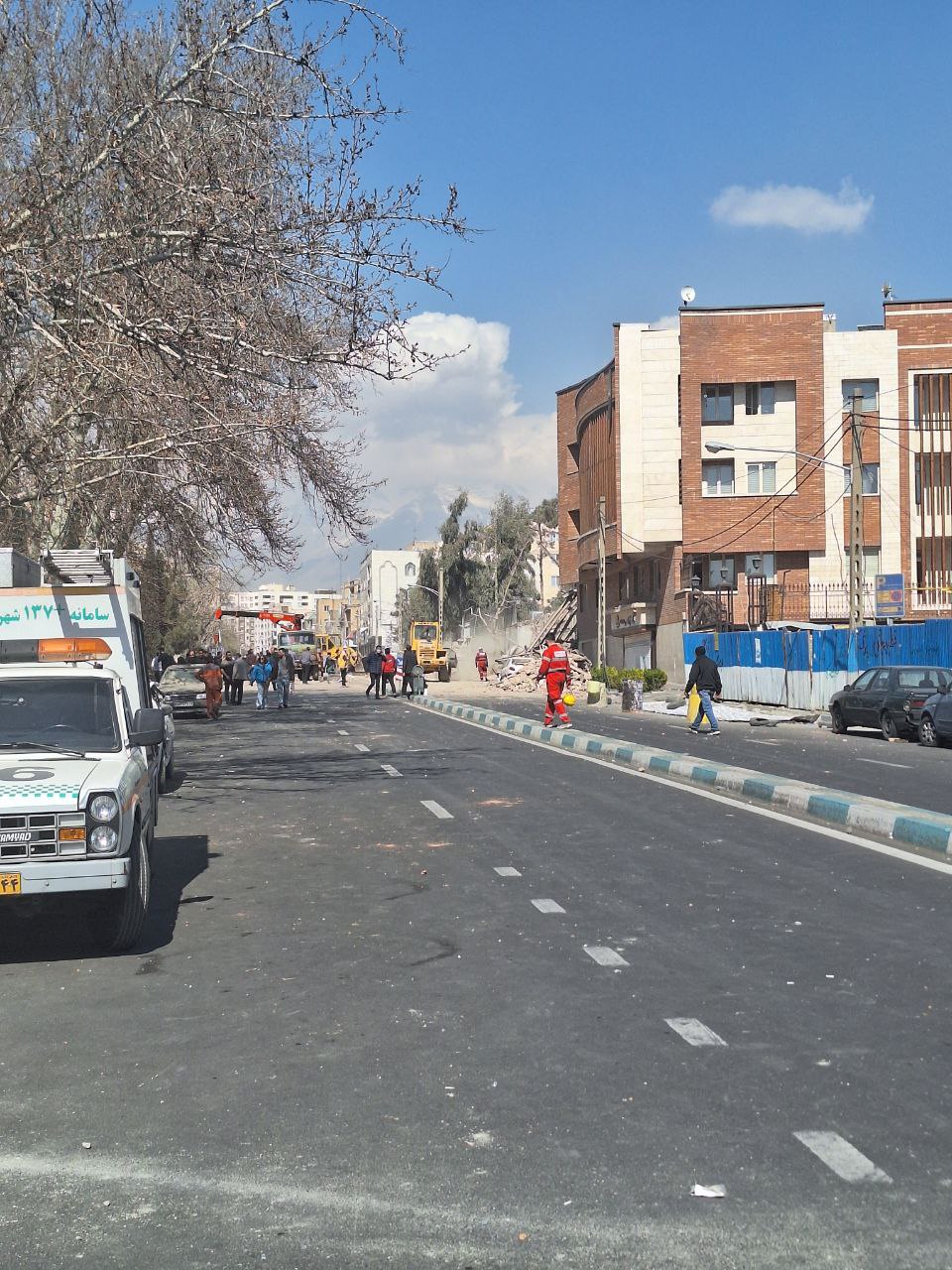
Field research into neighbourhood conditions shows that roughly two categories of business have shut down in residential areas: gold shops and estate agencies. Gold dealers are closed under the official suspension of trading.
Property brokers, meanwhile, have been among the first and hardest hit by the wartime conditions, which have directly frozen the housing market. No transactions can be registered, and no buying or selling is taking place. Those working in the housing and construction sector are the group most affected by the state of war.
“The property market is dead,” said an estate agent in Gohardasht in Alborz Province. “After almost two years of housing recession, there are now no deals and no movement; our work is completely frozen. We just wait and watch.”
An original version of this article featured in Donya-e Eqtesad newspaper on March 5 in Persian.
Unlock premium news, Start your free trial today.


