
INTERVIEW: Corazon Avecilla-Padiernos, the Philippines' representative to Taiwan


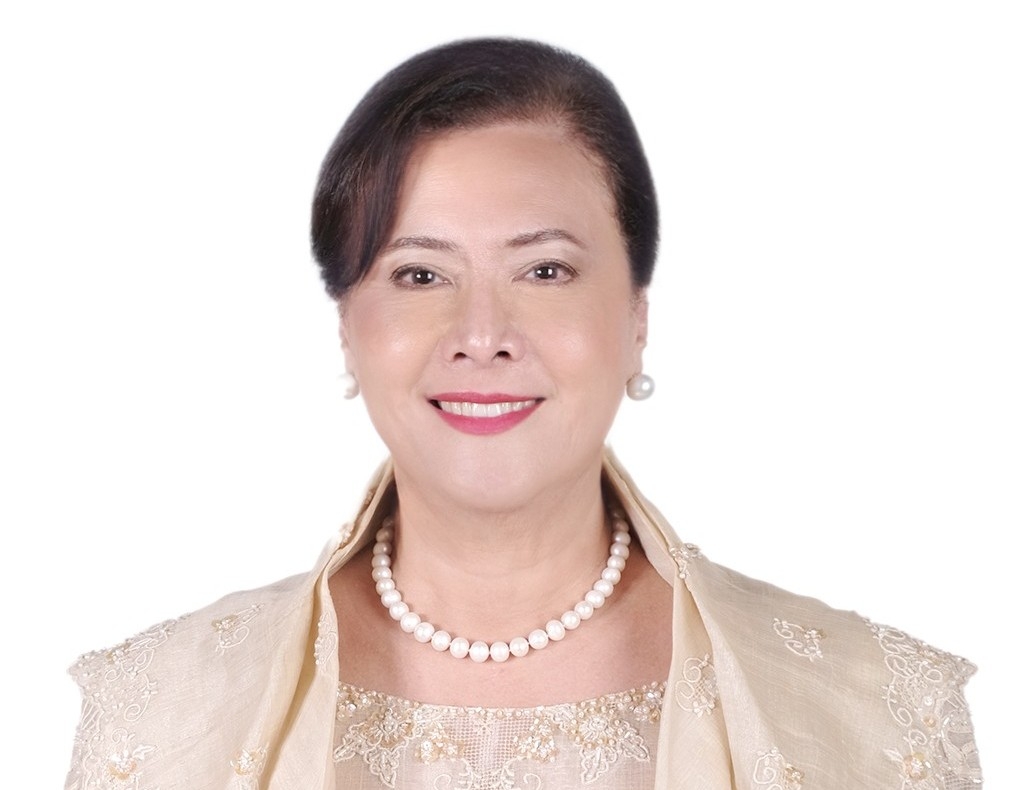
Corazon Avecilla-Padiernos is the Chairperson and Resident Representative at the Manila Economic and Cultural Office (MECO) to Taiwan. A long term former MECO director and advocate for women and girls' rights, the de facto ambassador of the Philippines as many see her recently took time out to answer some questions posed by Bne IntelliNews on bilateral exchanges, the shared business environment off East Asia and Chinese ambitions in the South China Sea.
The discussion opened with a broad assessment of ties between Manila and Taipei, which are described as both practical and steadily deepening. The relationship is "anchored on trade, investment, technology, and people-to-people links," Avecilla-Padiernos says, with momentum particularly evident in "electronics, semiconductors, advanced manufacturing, logistics, and increasingly in renewable energy and digital industries."
On capital flows, where Taiwanese interest in the Philippines has been gathering pace of late, the key drivers the MECO chief identifies are "electronics, semiconductor-related manufacturing, EV-related industries, logistics, and industrial estates," with Manila actively supporting this through what she terms "investment incentives, enabling policies and ecozone platforms, ease of doing business, streamlined approvals, and investment facilitation."
Energy, an all-important factor globally of late, is a sector in which "the Philippines welcomes cooperation with Taiwan in clean energy, particularly where Taiwan brings strengths in offshore wind, solar-related technologies, grid support solutions, and industrial decarbonisation. There is clear room for joint projects, especially as the Philippines pursues its renewable energy targets and Taiwan continues to build expertise in wind and broader green technology" according to Avecilla-Padiernos.
From a wider regional perspective too, Manila positions itself as a constructive player in energy security. This approach centres on "expanding domestic renewable capacity, improving grid resilience, and supporting more diversified, reliable energy supply chains in the wider region," underpinned by the view that the Philippines' "stronger domestic energy security also strengthens regional stability and helps meet East Asia’s rising clean energy demand."
Moving into the more sensitive area of regional politics and Chinese ambitions in supposed 'reunification' with Taiwan and territorial ambitions closer to the Philippines in the South China Sea region, Avecilla-Padiernos says that the Philippines adopts a measured stance in balancing engagement with Taiwan alongside its relations with China. Its approach is, she says, framed as "pragmatic, and economically focused," while continuing to operate "in accordance with its established foreign policy framework," with emphasis placed by Manila on "promoting legitimate trade, investment, and people-to-people cooperation that contributes to regional stability and mutual benefit."
Security concerns, particularly in the South China Sea, remain ever present though with Manila’s position that "peace, stability, and adherence to international law are essential to safeguarding maritime routes that are vital to regional trade, including for the Philippines and Taiwan," - the de facto ambassador stressing that "economic growth depends on secure sea lanes, predictable rules, and peaceful management of disputes."
Back on the Taiwan links, Avecilla-Padiernos addresses any need for dispute resolution between Taipei and Manila as being largely institutional and rules-based, with issues "generally addressed through domestic legal and administrative processes, contractual mechanisms, and broader international trade frameworks where applicable."
Looking to future innovation, a key factor in both countries, where there is clear optimism about deeper collaboration between the two nations, Avecilla-Padiernos continues "there is strong potential for joint R&D" adding, "especially in semiconductors, smart manufacturing, energy technologies, agriculture, and digital innovation," with universities also expected to "help develop talent and research partnerships," alongside private companies to "accelerate commercialisation, scale, and cross-border industrial collaboration."
Over the next five to ten years, this trajectory is expected to strengthen further, with Avecilla-Padiernos saying that "looking ahead, the Philippines-Taiwan relationship will be deeper, broader, and more strategic in economic terms, particularly in supply chains, technology, labor mobility, food security, and clean energy."
In closing, the former in-flight supervisor for Saudi-Arabian Airlines and US-based businesswoman describes the role the much-respected Philippine community in Taiwan plays as a cornerstone of the relationship, describing it as "one of the strongest pillars of the relationship, contributing not only through labor and skills, but also through cultural exchange, trust-building, and long-term people-to-people ties." At the same time, "a meaningful Taiwanese business and community presence in the Philippines" also continues to play a parallel role through "trade, manufacturing, investment, and educational and civic engagement."
Unlock premium news, Start your free trial today.


