
CEVF 2026 provides window on Central Asia’s growing venture ecosystem


Nearly 800 investors, founders and tech leaders from more than 20 countries converged in Tashkent for the fifth Central Eurasian Venture Forum (CEVF 2026), held for the first time in Uzbekistan.
Hosted at the JW Marriott Hotel on April 3, the forum united startups, investors, corporations and ecosystem leaders from Central Asia, Europe, the United States, Southeast Asia and the MENA region, offering a window into the region’s evolving innovation landscape.
More than 200 startups, over 140 individual investors, 20+ venture funds, 260 entrepreneurs and 60 corporations took part, turning the forum into one of the largest platforms for venture dialogue in the region.
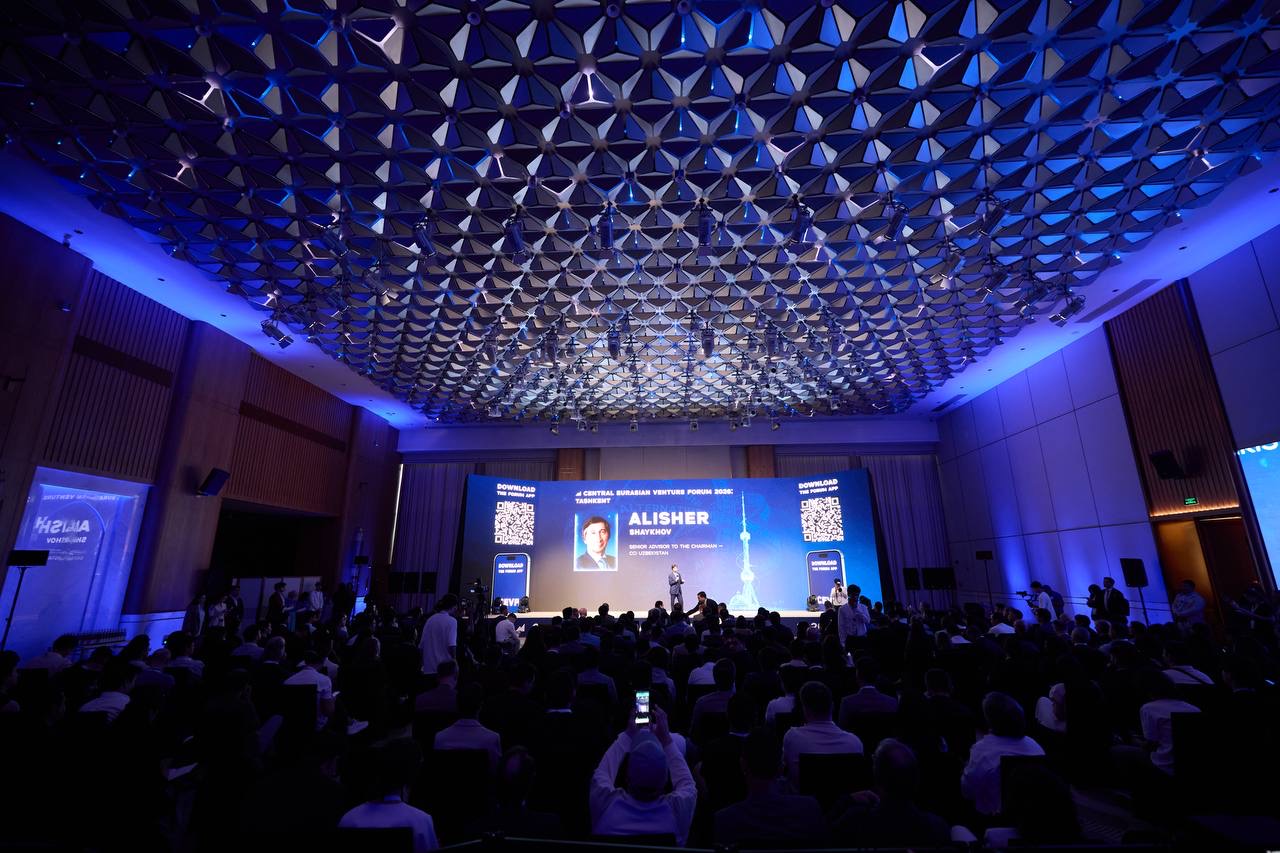
Organised by MOST Holding and IT Park Uzbekistan with support from the Ministry of Digital Technologies, the forum highlighted Uzbekistan’s ambitions while also showing how Central Asia is steadily gaining attention on the global venture scene.
At the heart of the forum was a sense of transition from an emerging ecosystem to one beginning to define its own trajectory.
The shift became tangible with the release of RISE Research’s third annual Startups and Venture Capital in Central Asia 2026 report. According to the findings, venture investment in the region reached a record $320mn in 2025.
While two mega-deals – Kazakhstan’s Higgsfield and Uzbekistan’s Uzum accounted for the majority of the figure – the adjusted market still grew by 31% y/y, pointing to steady, underlying expansion.
Country-level dynamics reinforced this picture. In Kazakhstan, venture investment nearly tripled, reaching $209mn, with the country’s startup portfolio now valued at over $2.16bn. Artificial intelligence led the way, drawing nearly half of all funding.
Uzbekistan, meanwhile, saw one of the fastest growth rates in the region, with total funding climbing to $33.8mn, rising more than 11-fold compared to 2022. Including Uzum’s record $65.5 mn round, the country’s market value now stands at $99.3mn. The registration of seven new venture funds in 2025 suggested that institutional foundations are beginning to take shape.
Tawney Kruger, regional director for Central Asia and content director at Leadsourcing, pointed to the region’s underlying strengths, particularly Uzbekistan’s talent pool and demographics. “It’s a no-brainer to invest here,” she said, citing a young, tech-savvy population and a growing base of developers and entrepreneurs.
At the same time, she noted that one of the key takeaways from the forum was the need for startups to prioritise building strong, market-ready products before scaling and to think beyond local markets. “Startups need to understand the ecosystems they are entering and integrate more seamlessly, rather than relying only on what they already know,” she added.

But beyond the numbers, CEVF 2026 stood out for the quality of its conversations and the shift in how the region is thinking about innovation. One of the most telling discussions took place during the PR session on reputation in venture and investment. Speakers emphasised that in today’s startup landscape, communication is no longer just about visibility. It is about trust, clarity and consistency. Founders are increasingly expected not only to build products, but to shape narratives, because investors are backing people as much as ideas.
“The experience of interacting with a product should be as open, transparent, predictable and understandable as possible, so that users feel confident and free of risk,” Dinara Akhmetova, head of corporate communications at TBC Bank Uzbekistan highlighted. “At the same time, if the product itself doesn’t provide that transparency, reputation alone cannot fix perceptions. Communication has to be based on facts, be consistent across channels and reflect what the startup actually delivers. Founders who understand this, even without large teams, are already demonstrating vision and strategy, which is essential for growth.”
She further explained that in critical situations, founders often carry the responsibility to manage how their business is perceived. By actively choosing communication channels, combining tools effectively and controlling their narrative, founders not only reduce risks but also clarify the bigger picture of their role as business leaders.
A key takeaway from the session was the growing importance of personal branding. The ability of founders to clearly articulate their vision, manage their presence in the information space and communicate transparently is becoming a decisive factor in securing investment.
This focus on substance over surface was echoed throughout the forum. Partnership announcements and agreement signings gave the event a tangible sense of progress. Collaborations spanning Central Asia, the Middle East and East Asia pointed to a more connected regional ecosystem, with new pathways for startups to scale across markets.
Among the key agreements were initiatives to support AI-focused startups, build cross-border venture bridges and create structured investment pipelines for early-stage companies.
The forum also highlighted the next generation of startups through the MOST Investable Battle. Finalists pitched their ideas to investors, competing for funding opportunities and entry into acceleration programmes.
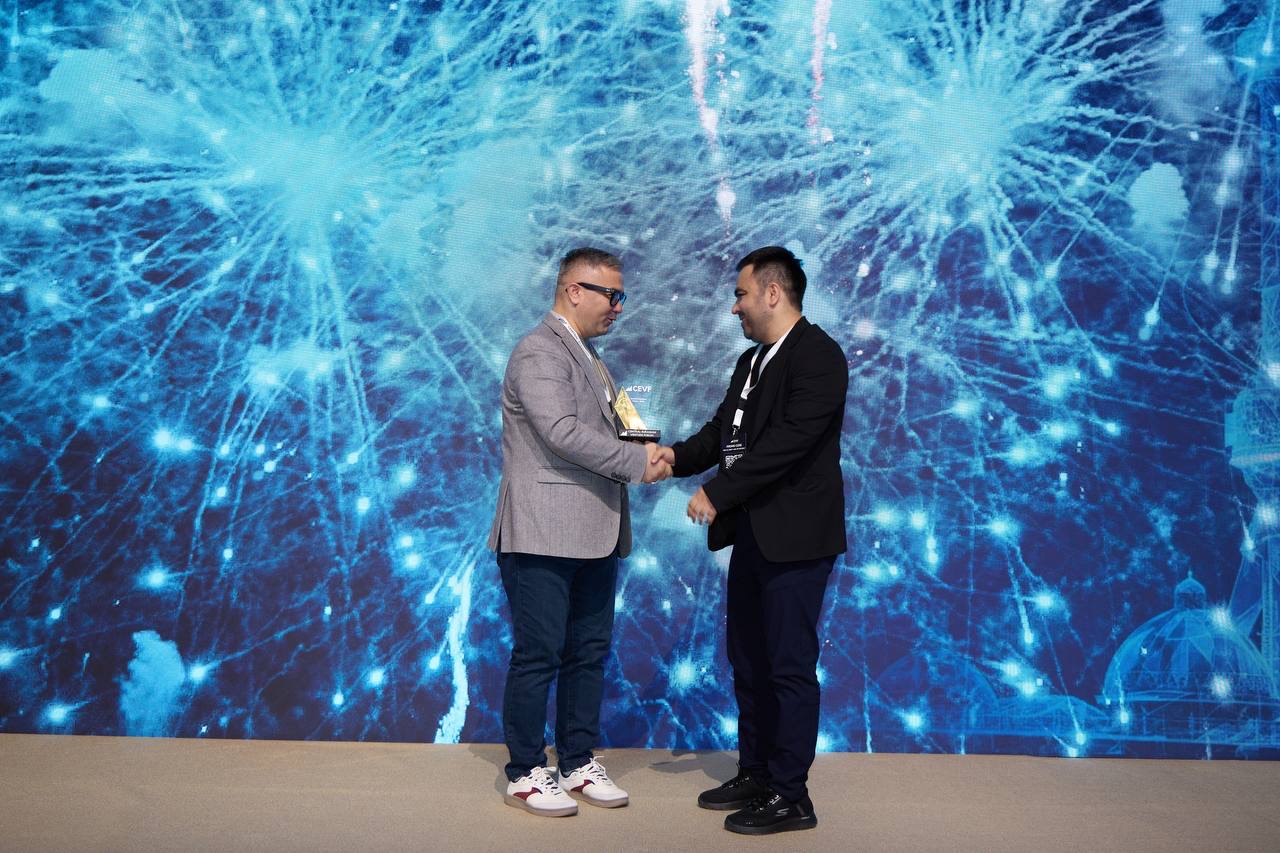
Additionally, the fifth anniversary CEVF Awards recognised top players across Central Asia’s startup ecosystem, venture market and tech business:
- Discovery and Fastest Growing Startup of the Year: MoonAI
- Best Corporate Open Innovation Strategy: Freedom Holding
- Best Ecosystem Participant: Startup Garage
- Best Tech Media: Pivot (Uzbekistan)
- Best Tech Influencer: Umed Rakhimov (Tajikistan)
- ESG Leader: School21
- Best Venture Fund: AloqaVentures (Uzbekistan)
- Best Startup Support Programme: Red Team Accelerator (Kazakhstan)
- New Business Angel: Sardor Kadyrov
- Most Active Business Angel: Dana Kunanbaeva
- Deal of the Year: Datatruck (Series A, $12mn)
Another highlight was the announcement of the first Central Asian cohort of the European Bank for Reconstruction and Development’s (EBRD’s) Star Venture programme. More than half of the selected startups came from Uzbekistan, pointing to the country’s rising pool of high-potential founders. Participants will receive mentorship, diagnostics and support in entering international markets.
The launch of the second batch of the Investment Readiness Accelerator (IRA) Tashkent added another layer to this momentum. Designed to prepare early-stage startups for fundraising, the programme reflects a growing focus on building investment-ready companies rather than just generating ideas.
Over its five-year history, CEVF has brought together more than 5,000 participants from 50 countries and facilitated deals worth over $34mn. What emerged from CEVF 2026 was not just a snapshot of a growing market, but a sense of direction. Central Asia’s venture ecosystem is becoming more structured, more connected and more visible on the global stage.
Unlock premium news, Start your free trial today.


.jpg)