
TEHRAN BLOG: Iran's new year Nowruz is not the same this year


For three millennia, nothing has stopped the Persian New Year, called Nowruz. Not the Arab conquest of Persia in the seventh century, not the Mongol destruction of entire cities, not the eight-year war with Iraq, not the Islamist revolutionary fervour of 1979. Every March, Iranians celebrate, even during the US-led economic collapse of the past few years, but this year, people are admittedly not in the mood.
This year, for the first time in recorded history, many are opting to forgo their traditional holidays, according to some who spoke with bnm IntelliNews from across Iran before the recent internet shutdown.
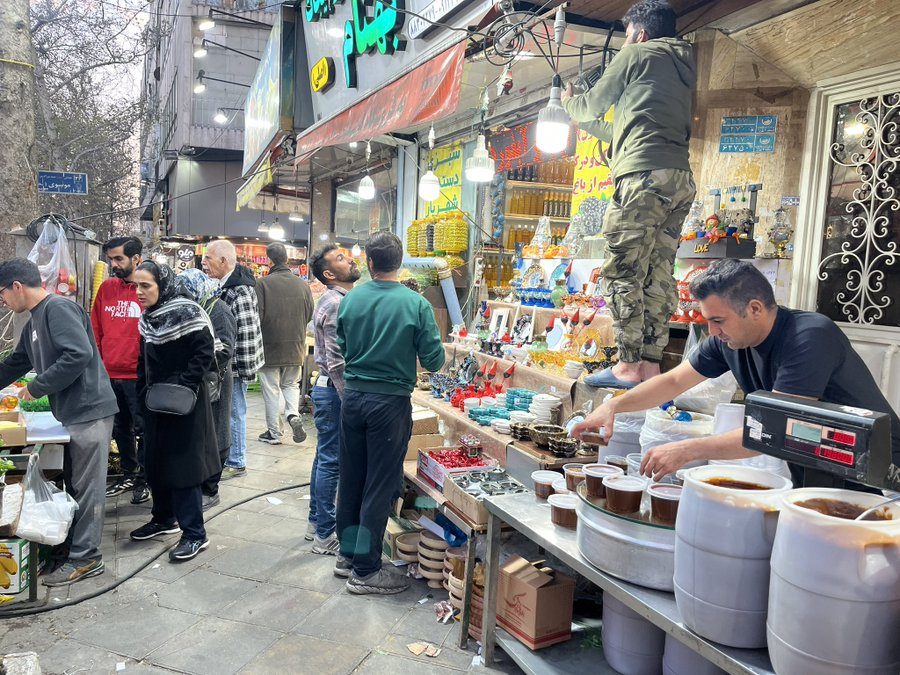
A Nowruz bazaar on Bahar Street in downtown Tehran in March 2026.
The spring equinox arrived on March 20, indifferent to the affairs of nations. But in Tehran, Isfahan, Shiraz and Tabriz, the streets that would normally be clogged with families heading to parks and relatives' homes were largely empty.
Hamid, a shopkeeper from Karaj, said, "I have two of the seven items for the haft-sin. I hope to get round to finishing it, but it's hard." His comments were echoed by Maryam, a schoolteacher in Tehran, who said, "I am just doing it because it makes my family happy."
The bazaars that should be heaving with last-minute shoppers buying sabzeh sprouts and goldfish only became busy in the past 48 hours. In a nation where Nowruz preparations traditionally begin weeks in advance, there remains a doubt whether the US and Israel will even strike on the most special day in the Persianate world.
CC: mirhemmat
Alireza, 29, from Tehran, said, "Back on February 28, when the war started, I honestly thought it would be over before Nowruz. I thought either IRI [the Islamic Republic of Iran] would fall, or things would go back to how they were, like January, with people being suppressed again and life just resetting, and we’d have to keep living under the same system. But as each day passes, it’s becoming clear that this war isn’t ending anytime soon."
"It’s been about three weeks now. A lot of offices are still closed, and most people are just staying at home. Everyone’s tired. We don’t even have internet, so there’s no social media to pass the time. The only source of information people really have right now is satellite TV."
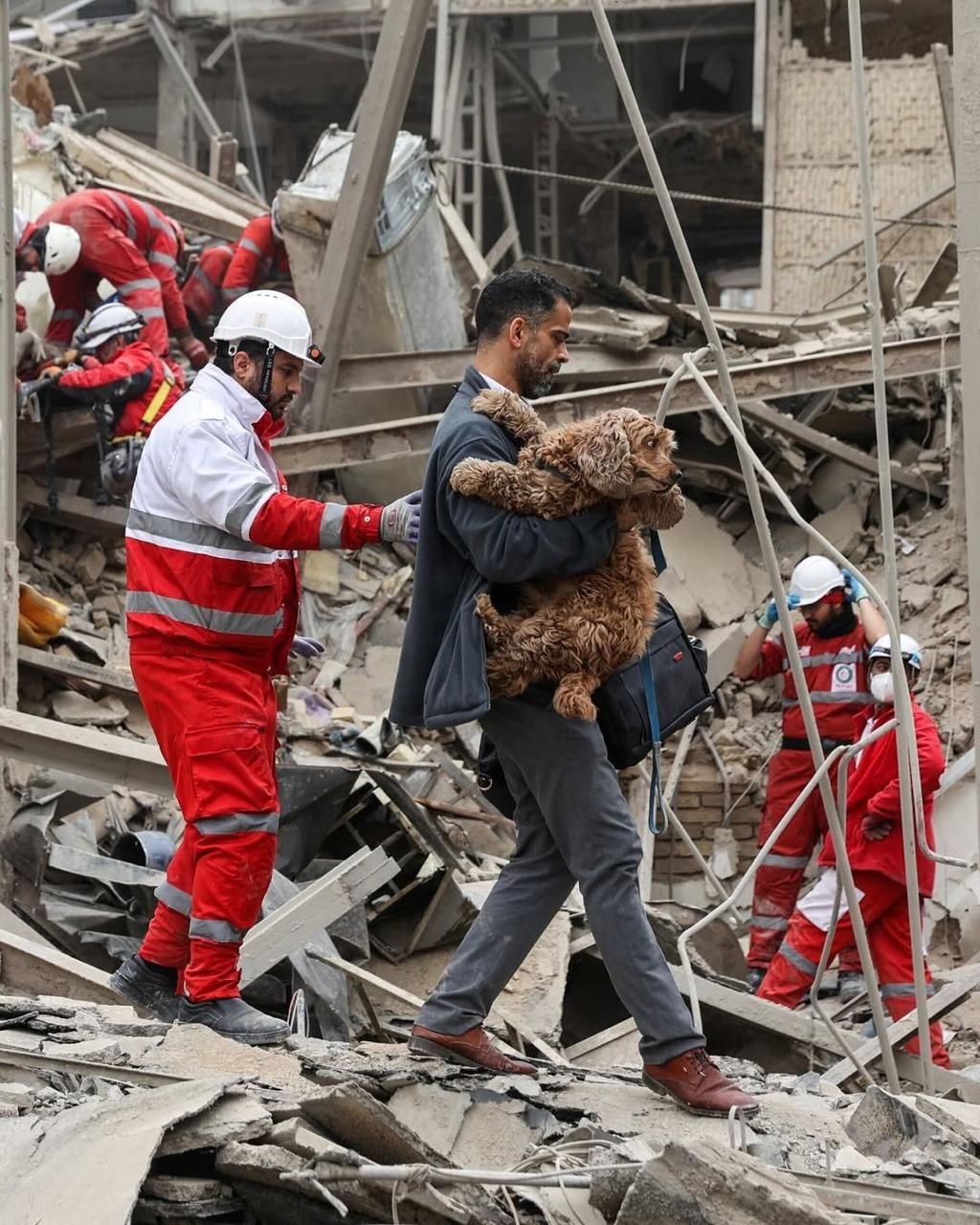
"The first few days felt much heavier. But now, as it’s March 19 and we’re getting close to the new year, you can see people out in the streets again, shopping for haft-sin items. It’s like the war has become part of everyday life, and people are just trying to keep their spirits up and carry on.
"And like many Iranian families, on March 19, the last Thursday of the year, I went to visit my dad’s grave. After that, my daughter, though, went with her friends to another cemetery on the other side of Karaj, where almost 20 young people from our city were buried after what happened on February 8 and 9."
Official casualty figures from these strikes and the earlier protests remain impossible to verify, but hospitals in certain areas of Tehran and Isfahan are at times overwhelmed.
Television, which would usually be full of spring-themed programmes, is instead showing back-to-back nationalist programmes and non-stop patriotic music over videos of state funerals. Iran is still in the forty-days of mourning for the former Supreme Leader Ali Khamenei
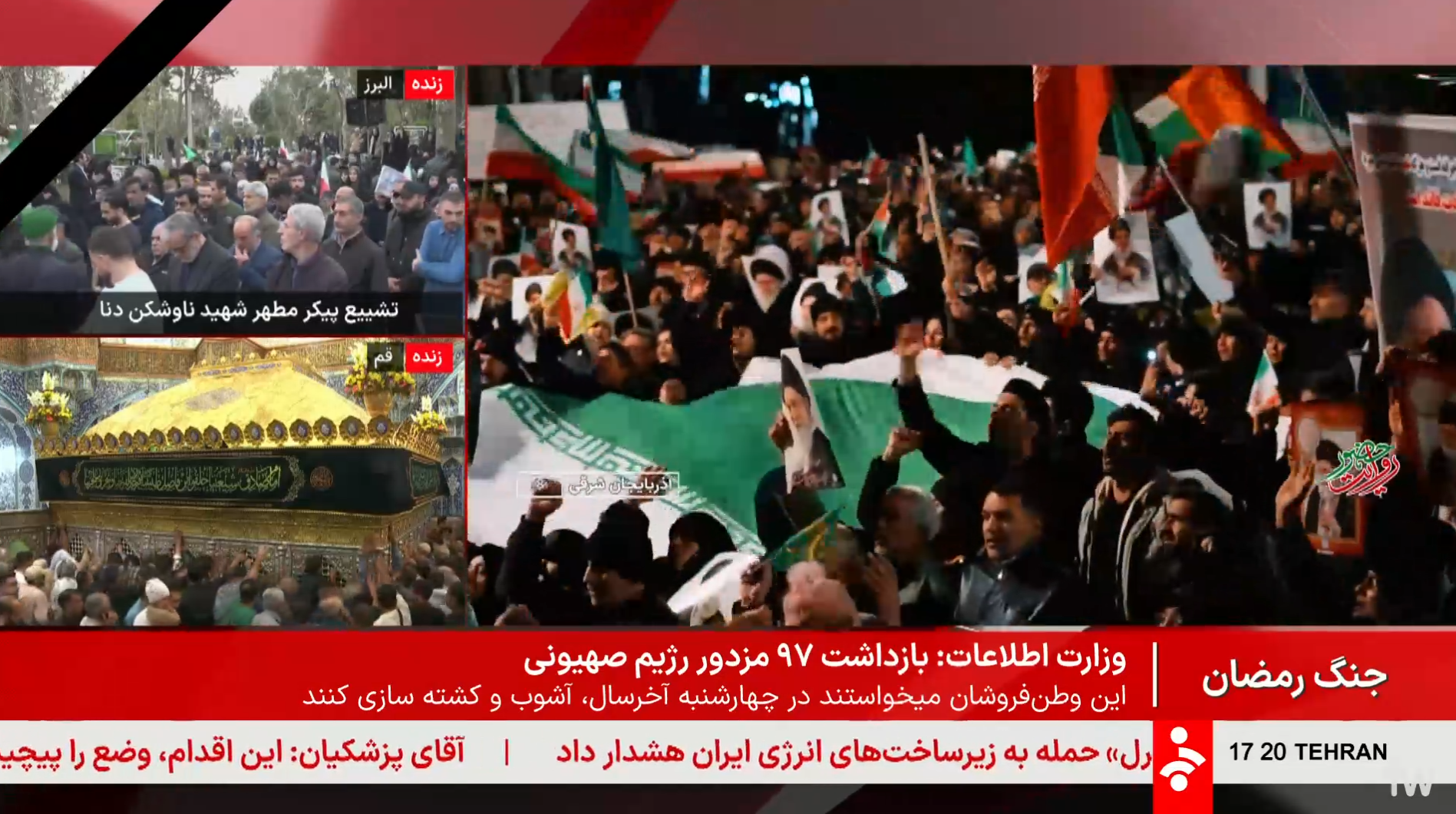
Under these conditions, Nowruz has not been formally cancelled. No decree has been issued. The recently installed, missing Supreme Leader has not declared the holiday suspended.
Rather, it has simply become impossible to celebrate. But that melancholic feeling has spread to Iranians abroad as well, with those in London and Berlin telling bnm IntelliNews that, due to the war, they don't feel the urge to prepare a haft-sin. Although that's not the feeling of all expatriate Iranians, some say they were not bothered by events in their previous country and would carry on as normal, others said.
This matters far beyond the loss of a holiday. Nowruz is not merely a cultural event in Iran. It is the single most important expression of Iranian and Persian/Iranic identity, a tradition that predates Islam by at least a thousand years and has survived every conceivable attempt at suppression.
The Islamic Republic's own relationship with Nowruz has always been complicated. The revolutionary government spent years trying to Islamicise the holiday, replacing its Zoroastrian symbolism with religious content.
This March, the fires burning across Iran's cities were not the ones anyone chose to light. Authorities, paranoid about the night being used to spark new anti-government protests amid the bombing, effectively shut down different street events. Still, some occurred, according to social media.
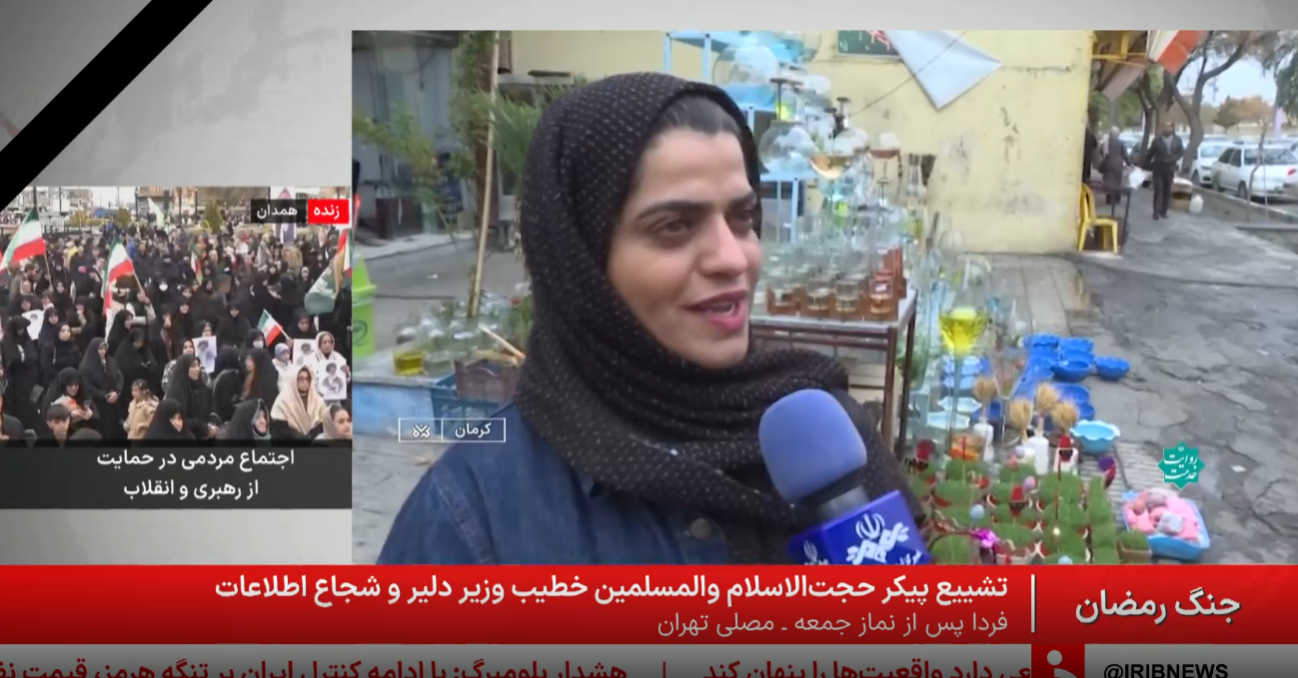
A woman interviewed by state media is shopping for Nowruz haft-sin items.
For older Iranians who remember the war with Iraq, there is a painful echo here. During that conflict, Nowruz celebrations continued even as Saddam Hussein's missiles struck Tehran. Families gathered in darkened homes, kept the haft-sin modest, but gathered all the same. The difference now is one of scale and intensity.
Susan, a 62-year-old grandmother, said, "I went out with my family. We drove around the city, even though there were a couple of checkpoints, and bought what we needed to set up our haft-sin. Just like every year."
Actually, there are even more of these special Nowruz fruit stalls all over the city than before. And this year, for the first time, you can also see stalls selling fresh meat and protein products right next to them."
The current bombardment is not a sporadic campaign of terror. It is a sustained, AI-guided assault on the country's infrastructure that has made normal civilian life all but impossible.
The psychological toll is immense. Nowruz is, at its core, a celebration of hope and renewal. The word itself means "new day". It marks the moment when winter ends and spring begins, when the natural world reasserts itself over darkness and cold.
Haft-Sin is a traditional Persian New Year (Nowruz) table setting, literally meaning "seven S's." It features seven items starting with the Persian letter "Seen" (S).
Unlock premium news, Start your free trial today.


