
Locust army swarms Iran as farmers battle to save their crops
.jpg)

Billions of hungry Moroccan Locust (Dociostaurus maroccanus, or DMA) have descended on southeastern Iran, and thousands of families are fighting to stop the ravenous swarm from devouring everything they own.
The pests have exploded across the plains of southern Sistan-Baluchestan near Pakistan, where farming and herding keep thousands of households alive, state media reported on May 31.
This latest infestation is part of a growing trend of pest-related agricultural challenges linked to climate change. As global temperatures rise and weather patterns become more erratic, experts warn that such infestations may become more frequent and intense, threatening food security and farmers' livelihoods worldwide. That, coupled with increasing droughts, is putting a series of strain on food production in the region, which is struggling to deal with the changing weather patterns.
Numbers have rocketed to between 10 and 12 locusts per square metre in parts of Konarak, four to five times higher than last year in the latest sign of changing climatic conditions in the already arid region of the Islamic Republic.
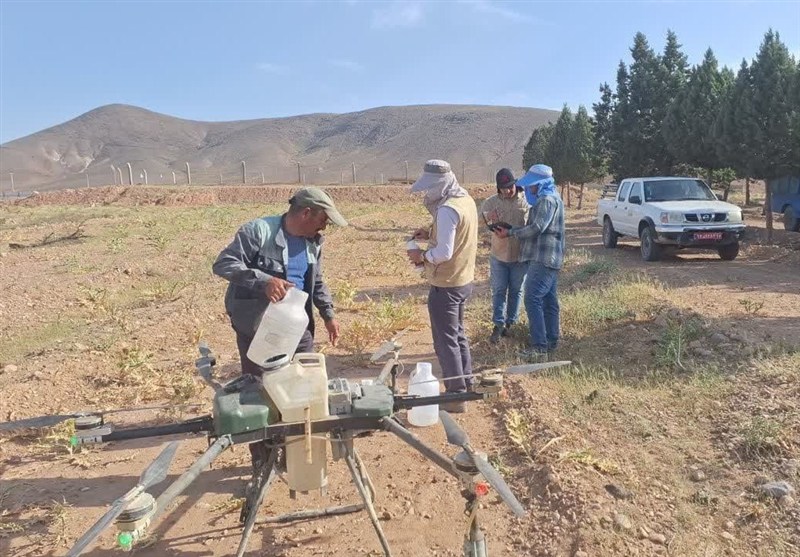
"This year the locusts have been far more noticeable than in past years, and it has worried farmers," local grower Mohammad Amiri said. He warned that without early action, young crops would have been hit hard.
Sedigh Pourian, head of the technical and infrastructure office at Konarak's agriculture authority, said egg-laying hotspots had been tracked down in the foothill rangelands using specialist pest-monitoring systems, triggering a mass eradication drive but farmers are still worried despite official comments of it all being under control.
The bugs do not stop at crops. In large enough numbers, they strip rangeland vegetation bare, slashing animal feed, driving up the cost of keeping livestock, and threatening food security across the region already under pressure from supply-side issues stemming from the ongoing war with the US and the blockade of southern ports.
Local teams have ploughed up egg sites, cleared weeds and launched targeted spraying across around 1,000 hectares so far, racing to crush the population before the insects mature and breed again.
Chemical operations cost between IRR15mn and IRR50mn ($8.69 to $28.97) per hectare depending on the pesticide and kit used, piling pressure on the cash-strapped plant-protection budget.
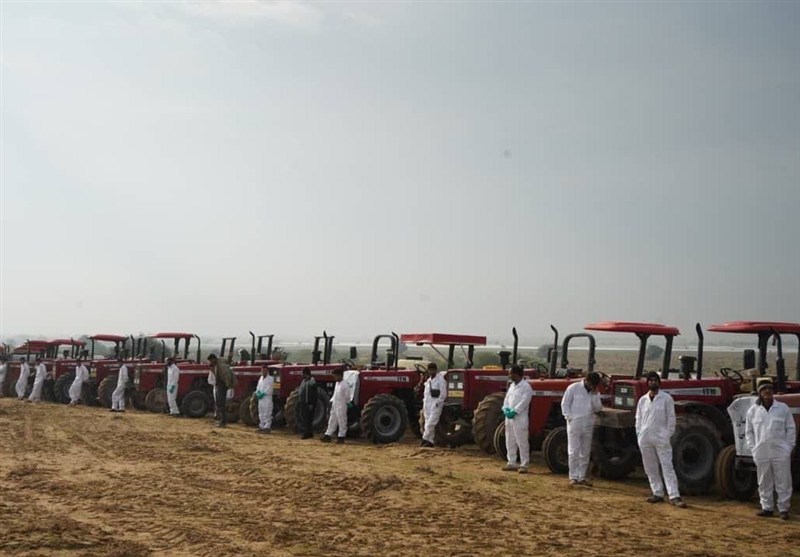
Experts have ordered a freeze on harvesting and grazing in sprayed zones for 72 to 96 hours, with farmers kept updated to avoid any risk to people and animals.
Pourian said protecting the environment, keeping pesticide residues out of produce and sparing beneficial insects were all priorities alongside the cull.
"If the agriculture authority's measures had not been taken in the early stages, the chance of damage to young crops would have been very high," Amiri said.
In 2024, it was reported that locust infestations had accelerated across Asia as temperatures continued to rise.
Tajikistan and Afghanistan are facing a dangerous infestation situation, according to the latest Food and Agriculture Organisation (FAO) forecast on invasive swarms of the crop-devouring pest.
Unlock premium news, Start your free trial today.
_0.jpg)
.jpg)

