
Iran puts army on highest alert as Hormuz tanker strikes mount


Iran's Army Ground Forces commander has ordered units onto the highest level of readiness, Hamshahri Online reported on October 23, as Tehran braces for renewed US strikes.
The order came on the same day the Islamic Revolutionary Guard Corps (IRGC) said it had stopped all "violating" tanker traffic through the Strait of Hormuz. Eight months after the US and Israel first struck Iran on February 28, both sides are behaving as though a second round is a question of timing.
The US midterm elections on November 3 have become the date Tehran is watching, along with the upcoming Israeli general elections, which could see the ousting of Prime Minister Benjamin Netanyahu.
Brigadier General Ali Jahanshahi gave the order during a surprise inspection of the 258th Mobile Assault Brigade. Meeting with commanders, he told them that "only through continuous training, accurate assessment of operational capacity and all-round vigilance" could the army meet what he called the enemy's combined threats.
He warned that, "the enemy was also trying to sow doubt and break the unity of the armed forces."
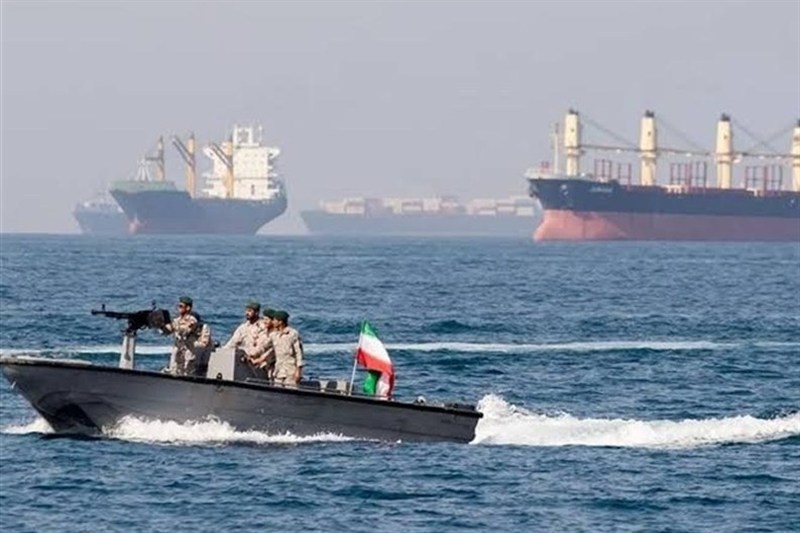
At sea, the escalation is already underway. An unnamed source close to the IRGC Navy told Guards-backed Tasnim News that three tankers were hit on October 22 and a fourth "violating" tanker was destroyed overnight.
The source said the IRGC had first knocked out navigation-aid systems serving ships that run Iran's self-declared prohibited zone. Any resumption of what it called oil smuggling would meet a "far more crushing" response.
It warned that further US air intervention in support of the tankers would draw a direct reply, with the consequences resting on the US military.
The IRGC had already claimed seven vessels hit in a single day on October 22, four by strikes and three by mines, the heaviest one-day toll since the war began.
US Central Command disputed the mine claims, saying international lanes had been cleared and that 95% of vessels were still getting through.
President Donald Trump dismissed the reported hits as fabricated and accused Tehran of trying to push up oil prices before the midterms. Markets are less sanguine, with Brent crude trading near $115 per barrel on October 23, up more than 7% over the past month.
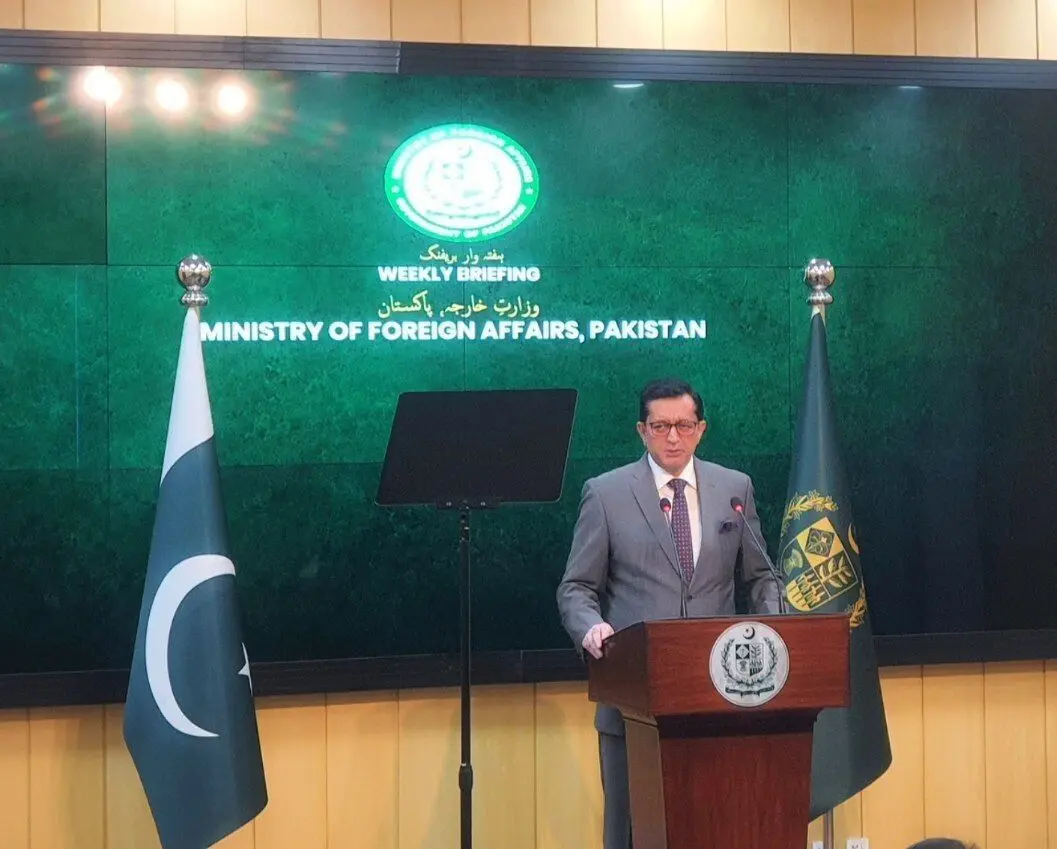
The diplomatic track that might have defused the standoff is fraying. Pakistan, which brokered the two-phase ceasefire earlier this year, urged Tehran and Washington on October 23 to show restraint and honour the Islamabad Memorandum of Understanding.
That memorandum, signed by Trump and Iranian President Masoud Pezeshkian on June 17, called for downblending of Iran's enriched uranium under International Atomic Energy Agency (IAEA) supervision as a minimum step.
It expired in mid-August without a full deal. An interim truce had already collapsed in July after Iran struck commercial shipping.
Pakistan's foreign ministry spokesperson said Islamabad remained in close contact with both sides. He added that Pakistan would abide by sanctions "that are applicable", a hedged formula that leaves room for trade with its western neighbour.
Pakistan's army chief Field Marshal Asim Munir was in Tehran on October 20 carrying, by several accounts, a final US warning.
The Emirati outlet Erem News, citing diplomatic sources, said he also delivered a verbal message from Trump to Iran's supreme leader proposing direct talks, passed through security chief Mohsen Rezaei. Tehran has not confirmed the message.
Rezaei's public answer was blunt. "Even a particle of enriched uranium will not exit Iran," he said, setting an end to the US naval blockade, sanctions waivers and the release of frozen assets as preconditions for negotiations.
Washington wants zero enrichment and the stockpile removed.
The gap leaves little room for a deal before November 3. American media reported that US and Israeli planners have drafted a "short, intense" campaign of about three days to follow the midterms, aimed at nuclear sites, missile and drone stocks and energy infrastructure.
The New York Times newspaper said Trump has pledged not to strike before the vote and has not yet authorised an offensive.
Tehran's rhetoric has hardened in step. The supreme leader's representative in the IRGC said on October 23 that any "whisper of compromise" had been rejected.
Iran's mission to the UN in Vienna, marking the 70th anniversary of the IAEA statute, accused the agency of an "unprecedented" silence over US and Israeli strikes on Iranian nuclear facilities.
Tehran mayor Alireza Zakani said the armed forces firmly control developments in the Gulf. The foreign ministry spokesperson warned that any belief in an easy victory over Iran would end in defeat for the attackers.
The costs of a second round would not stay in the Gulf. Hormuz normally carries about a fifth of global oil supply, and Brent peaked at $126 in March when Iran first declared the strait closed.
Iran itself has been squeezed hard, having run out of oil storage under the US blockade. Its foreign ministry has defended the tanker strikes as lawful self-defence.
Earlier in the year, Washington and Tehran were said to have agreed the text of an interim deal.
The US military build-up is expected to peak in early November, with three aircraft carriers and thousands of Marines reported to be heading for the region.
Unlock premium news, Start your free trial today.


