
Hong Kong delegation to Uzbekistan promotes "hub-to-hub" cooperation


Hong Kong’s three-day trade mission to Uzbekistan led by the territory’s Chief Executive John Lee on June 6 concluded with 23 signed agreements spanning finance, technology, aviation and investment.
The journey to Uzbekistan followed the first leg of the mission in neighbouring Kazakhstan. In all, the two legs of the tour produced 96 memoranda of understanding and cooperation.
Uzbekistan, Central Asia’s second largest economy behind Kazakhstan and also the region’s most populous country, hailed agreements with Hong Kong that also covered economic segments such as digital technology, financial services, infrastructure, logistics and advanced manufacturing.
Hong Kong, a special administrative region of China, and Uzbekistan also exchanged notes on establishing a reciprocal 30-day visa-free arrangement, a move officials said would strengthen business links and people-to-people exchanges.
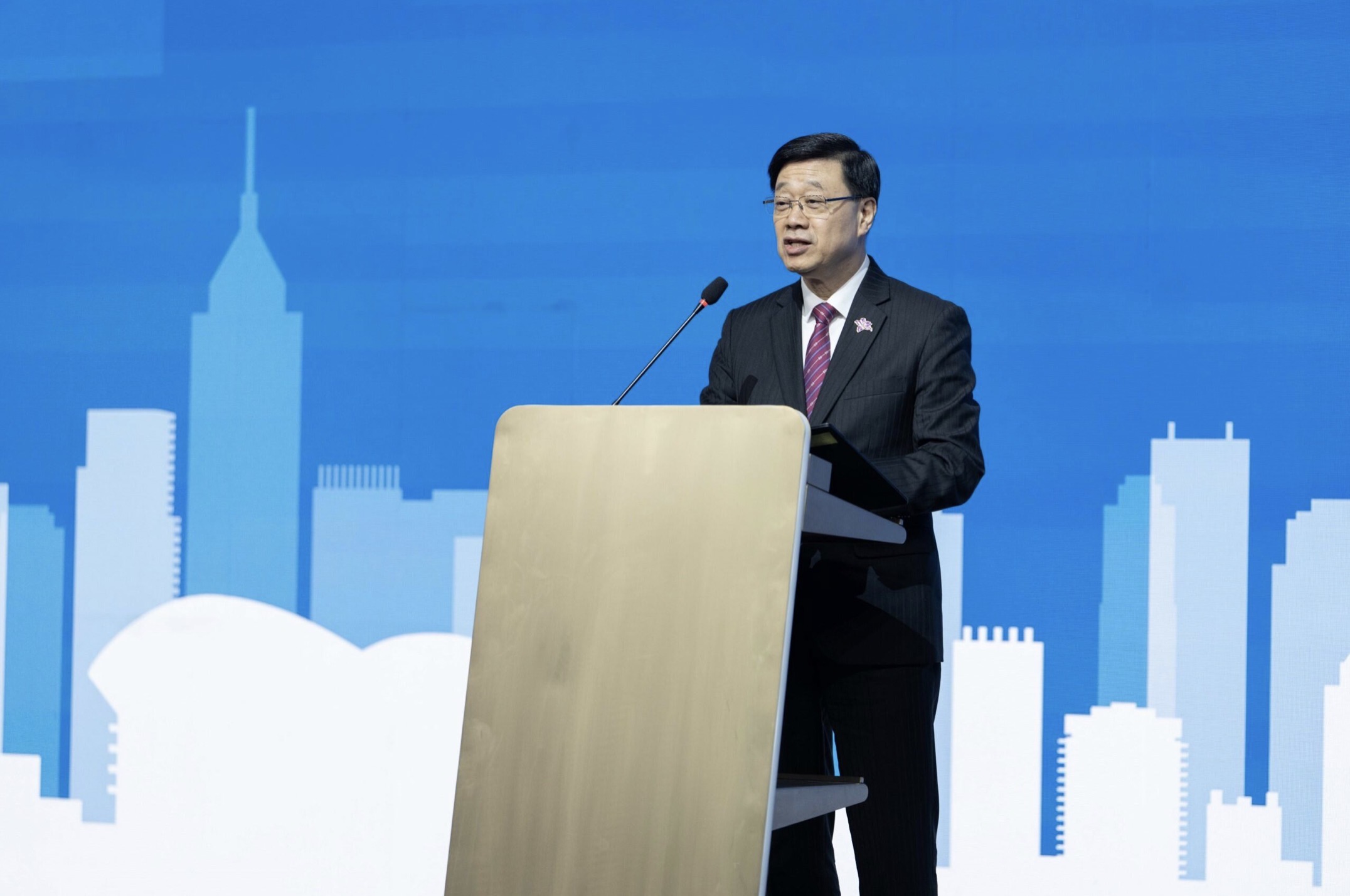
"The purpose of this visit is threefold. First, to further explore emerging markets and lay a solid foundation for long-term economic and trade development. Second, to strengthen government-to-government relations and promote closer bilateral cooperation. Third, to establish a hub-to-hub cooperation model," Lee said.
He added: "During the visit, I led a delegation of 75 business leaders from Hong Kong and Mainland enterprises to Kazakhstan and Uzbekistan — the two largest economies among the five Central Asian countries. The delegation attended more than 20 events and inspected multiple projects in the finance, innovation and technology and infrastructure sectors. The visit was highly successful and achieved eight major outcomes."
The delegation comprised business leaders from Hong Kong and 17 provinces and municipalities across mainland China, representing sectors including financial and professional services, logistics and transportation, innovation and technology, trade, green industries and media. Representatives of media associations also joined the mission.
Among the agreements signed in Uzbekistan were partnerships between the Hong Kong Trade Development Council (HKTDC) and the Chamber of Commerce and Industry of Uzbekistan, Cyberport and IT Park Uzbekistan and Airport Authority Hong Kong and Fly Khiva Group, as well as a series of deals involving banks, technology firms, pharmaceutical companies and municipal authorities.
Other agreements included partnerships between China International Capital Corporation and the National Bank of Uzbekistan, the Hong Kong General Chamber of Commerce and the Chamber of Commerce and Industry of Uzbekistan, the Law Society of Hong Kong and the Chamber of Advocates of Uzbekistan, as well as a cooperation between the Hong Kong Palace Museum and the State Museum of History of Uzbekistan.
Hong Kong officials said that the wider Central Asia mission generated agreements and projects with an estimated value of $1.65bn.
Lee added that the agreements included projects involving actual investment commitments and formed part of a broader effort to strengthen commercial links between Hong Kong, mainland China and Central Asia.
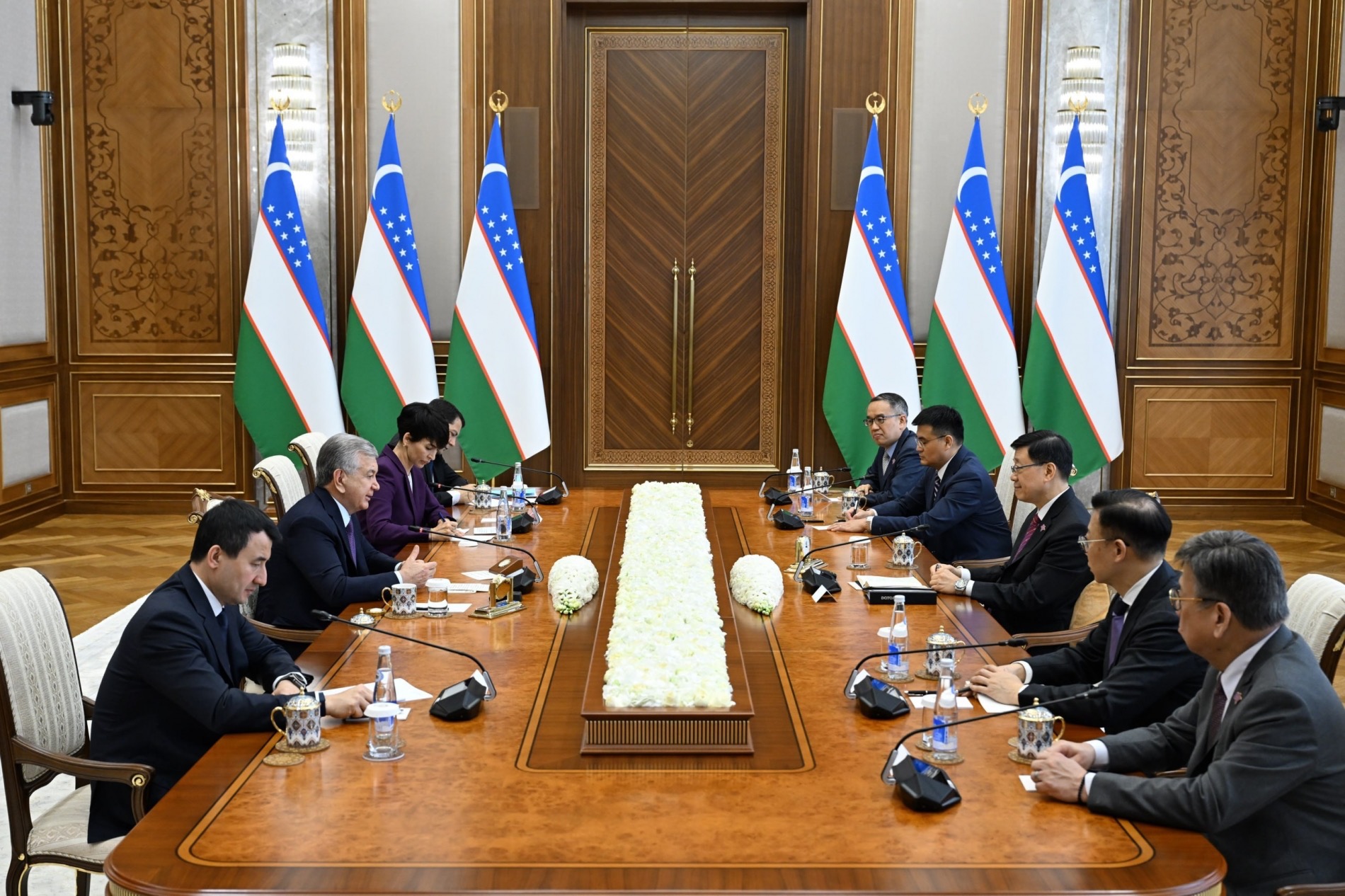
The tour included meetings between Lee and President Shavkat Mirziyoyev, Prime Minister Abdulla Aripov and other senior officials, during which the sides discussed expanding cooperation in trade, finance, transport, digitalisation, artificial intelligence and green energy.
At the start of his meeting with Mirziyoyev, Lee conveyed greetings from Chinese President Xi Jinping, highlighting the increasingly close relationship between Uzbekistan and China.
According to Hong Kong officials, one of the key outcomes of the visit was Uzbekistan's agreement to establish a Consulate General in Hong Kong, a step that will support growing economic and diplomatic ties.
Uzbekistan's Foreign Minister Bakhtiyor Saidov outlined the agreement to move forward with a reciprocal visa-free regime.
"During the meeting, the sides exchanged verbal notes expressing their intention to conclude an intergovernmental agreement on the establishment of a mutual visa-free regime," Saidov wrote on his Telegram channel. "This step will create additional opportunities for our citizens and contribute to greater people-to-people exchanges and cooperation."
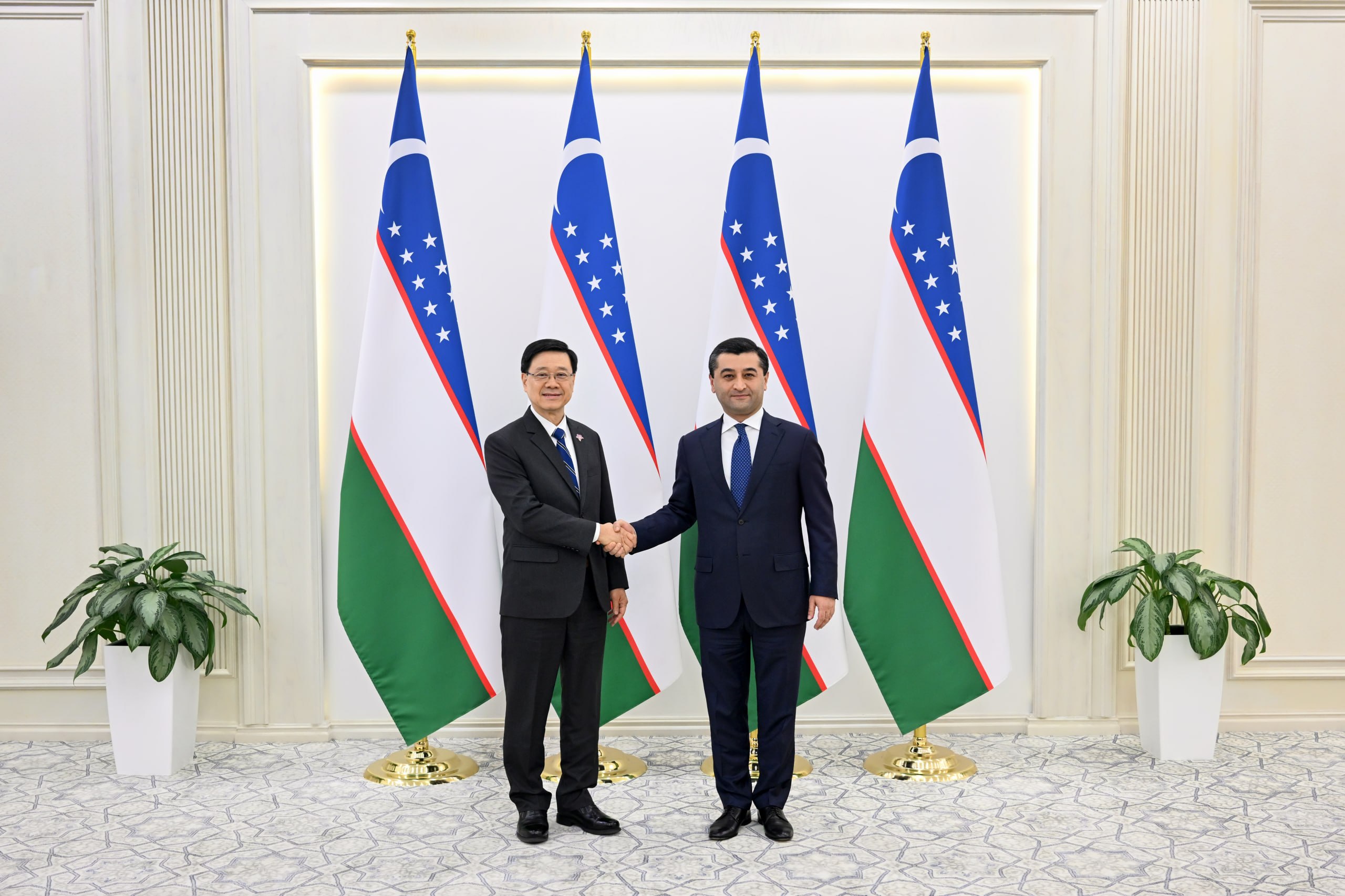
Under the proposed arrangement, visitors from both sides would be able to travel visa-free for up to 30 days.
The measure would extend the current visa-free period for Hong Kong passport holders visiting Uzbekistan from 10 days, while granting visa-free access to Hong Kong for holders of ordinary Uzbek passports.
Additionally, Lee said that Hong Kong and Uzbekistan had completed draft arrangements on civil aviation services, paving the way for airlines from both sides to consider launching direct flights in the future.
The two sides further agreed to begin discussions on arrangements covering the avoidance of double taxation and the promotion and protection of investments.
The Uzbek presidency highlighted how both sides agreed to develop a comprehensive cooperation programme covering trade, finance, industrial collaboration, tourism, education, direct air links and consular services. Priority sectors identified included green energy, agriculture, biotechnology, fintech, innovative start-ups and artificial intelligence.
The programme forms part of a broader "hub-to-hub" cooperation model promoted by Hong Kong, which aims to connect Central Asian markets with Hong Kong's financial, logistics and professional services networks.
For Hong Kong, the mission was arranged as part of a strategy to deepen links with emerging markets and strengthen its role as a bridge between mainland Chinese companies and overseas opportunities.
The visit occurred amid an increase in economic ties between Hong Kong and Central Asia. Total merchandise trade between Hong Kong and the region exceeded $320mn in 2025, up 27% from 2020. Trade between Uzbekistan and Hong Kong has expanded particularly quickly, with Hong Kong ranking among Uzbekistan's 20 largest trading partners in the first quarter of 2026. Bilateral trade reached $155.7mn in January-March, compared with $24.4mn during the same period in 2025 and 2024.
The visit also reflected growing Belt and Road economic programme cooperation between China and Central Asia, with Hong Kong positioning itself as a platform for facilitating investment, trade and business expansion into the region.
"The Central Asia visit has delivered fruitful outcomes and once again reaffirmed the trust placed by Central Asian countries in Hong Kong's role as a bridge," said Frederick Ma, chairman of the Hong Kong Trade Development Council. "In tapping emerging markets, such as Kazakhstan and Uzbekistan, Hong Kong, with its international credibility, robust institutional framework, world-class professional services and the HKTDC's global network, serves not only as a key springboard for Mainland enterprises to go global, but also as a gateway for overseas enterprises to enter the Mainland market, effectively facilitating two-way investment and trade flows."
The HKTDC added that it would follow up on projects initiated during the mission through business-matching and support services aimed at accelerating implementation of the agreements and encouraging further cooperation between Hong Kong and Central Asian partners.
Unlock premium news, Start your free trial today.
.png)


_0.jpg)