
OBITUARY: Iran's Supreme Leader Ali Khamenei killed in US-Israeli strikes aged 86


Iran's state television confirmed the death of Supreme Leader Ali Khamenei in joint US and Israeli military strikes on February 27. He was 86.
US President Donald Trump announced the killing on his Truth Social platform, calling Khamenei "one of the most evil people in history". Trump said the operation represented "justice for the people of Iran" and for those killed or injured by what he described as Khamenei's regime.
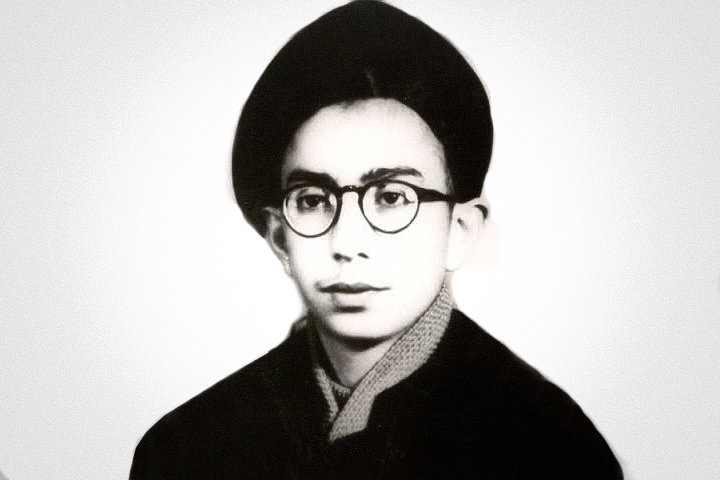
Born in 1939 in Mashhad to a clerical family with roots in Azerbaijan and Isfahan, Khamenei studied at seminaries in Mashhad, Najaf and Qom under prominent Shia scholars including Ayatollah Ruhollah Khomeini, the founder of the Islamic Republic.
Khamenei was not part of Khomeini's inner circle before the 1979 revolution and joined the Revolutionary Council only after being proposed by Mohammad Beheshti and Akbar Hashemi Rafsanjani. He had spent time in jail before the Revolution after being arrested by Shah Mohammad Reza Pahlavi’s secret police the Savak, where he was reportedly tortured, according to accounts by the Islamic Republic.
He rose through the ranks rapidly in the turbulent early years of the republic, surviving a bomb attack in 1981 that permanently disabled his right arm.
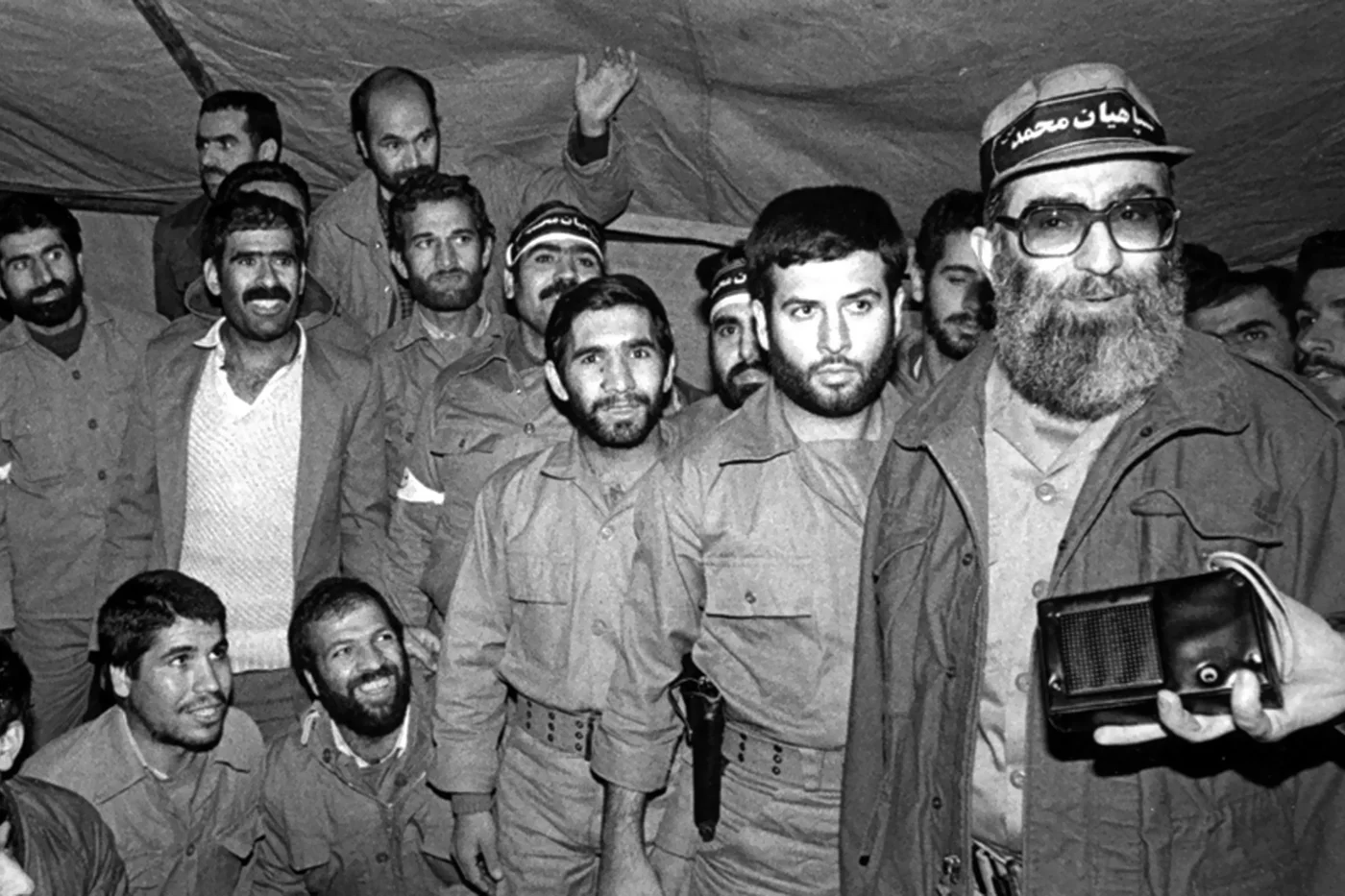
Following the assassinations of President Mohammad-Ali Rajai and Prime Minister Mohammad-Javad Bahonar, Khamenei became Iran's third president in 1981 at the age of 42, making him the first cleric to hold the office. He served two terms marked by persistent clashes with Prime Minister Mir-Hossein Mousavi.
When Khomeini died in June 1989, the Assembly of Experts selected Khamenei as supreme leader with 68 votes, despite his own objections and lack of the marja (religious authority) credentials then required by the constitution.
The requirement was subsequently removed through a constitutional amendment.
Over 36 years of rule, Khamenei consolidated power systematically. He sidelined leftist clerics from the judiciary, parliament and the Guardian Council during the 1990s, and expanded the Islamic Revolutionary Guard Corps (IRGC) into a dominant military and economic force.
The IRGC's Quds Force, particularly under the command of Qasem Soleimani, extended Iran's influence across Iraq, Syria and Lebanon to become a direct challenge to Israeli hegemony in the Levant.
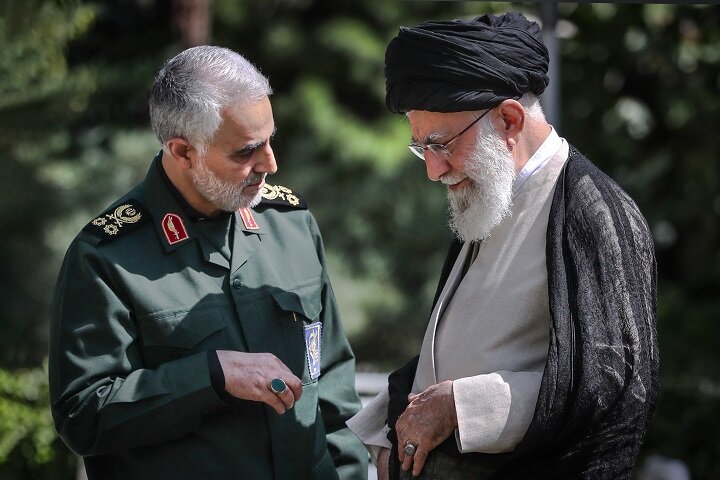
His tenure was defined by confrontation with successive Iranian presidents. He clashed with reformist Mohammad Khatami over press freedoms and issued a so-called "governmental decree" in 2000 blocking parliament from amending media laws. Relations with Mahmoud Ahmadinejad, initially seen as a loyalist, deteriorated over cabinet appointments and policy disputes.
The contested 2009 presidential election triggered mass protests that Khamenei met with force, ordering the house arrest of opposition leaders Mousavi, Mehdi Karroubi and Zahra Rahnavard, which remains until this day effectively.
Khamenei reluctantly approved nuclear negotiations with world powers that produced the 2015 Joint Comprehensive Plan of Action (JCPOA) under President Hassan Rouhani, though he never publicly endorsed the deal. After Trump withdrew the US from the agreement in 2018, Khamenei said the negotiations had been a mistake and his reservations were proven right not to deal with the US which he described as “duplicitous”.
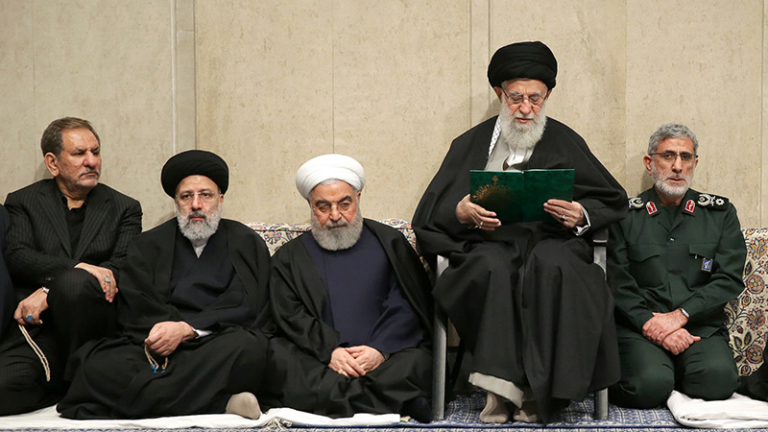
The killing of Soleimani by a US drone strike near Baghdad airport in January 2020 dealt a severe blow to Iran's regional network. Khamenei ordered retaliatory strikes on the Ain al-Asad base in Iraq, but the operation led to the IRGC's downing of Ukraine International Airlines Flight 752, killing all 176 people aboard, most of them Iranians. However, CNN reported at the time that a Ukrainian national on the plane was also an arms dealer, leading to speculation that he was the target.
Nationwide protests erupted repeatedly during his final years - over fuel prices in 2019, the death of Mahsa Amini in custody in 2022, and economic collapse in late 2025 - each met with lethal force by security services operating under his authority.
The direct military confrontation with Israel that began in 2024, following the Hamas attack on October 7, 2023, escalated through the killings of Hamas leader Ismail Haniyeh in Tehran and Hezbollah leader Hassan Nasrallah in Beirut. Khamenei ordered two rounds of missile and drone strikes against Israel, drawing devastating retaliatory attacks on Iranian military and nuclear infrastructure.
The relationship with Russia deepened under Khamenei's leadership. Moscow and Tehran signed a cooperation treaty in 2001, and Russian President Vladimir Putin's visit to Tehran in July 2022, his first trip outside the former Soviet Union since the full-scale invasion of Ukraine, marked a turning point. Khamenei told Putin that Nato was a "dangerous creature" and that had Russia not acted in Ukraine, the Western alliance would have eventually started the conflict itself.
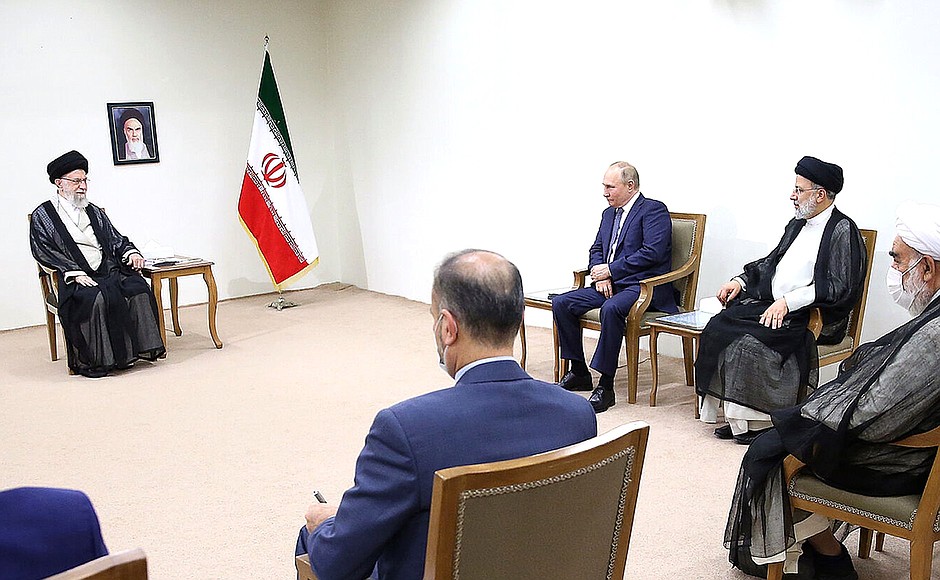
Iran's supply of Shahed-136 drones and ballistic missiles to Russia for use in Ukraine became a cornerstone of the bilateral relationship and a significant source of Western sanctions against Tehran. A $1.75bn deal signed in 2023 enabled Russia to begin domestic production of Iranian-designed drones. In January 2025, Putin and Iranian President Masoud Pezeshkian signed a 20-year Comprehensive Strategic Partnership Treaty covering military, economic and energy cooperation, approved by both parliaments by May.
In January, British newspaper The Times reported Khamenei had prepared an escape plan to flee to Moscow modelled on that of former Syrian president Bashar al-Assad, who fled Damascus for Russia in late 2024. Khamenei reportedly viewed Putin favourably and considered Russian culture closer to Iran's than that of Western states.
The Assembly of Experts now faces the task of selecting a successor to lead a system built around layers of power that are themselves the product of Khamenei's four decades of rule.
Unlock premium news, Start your free trial today.


